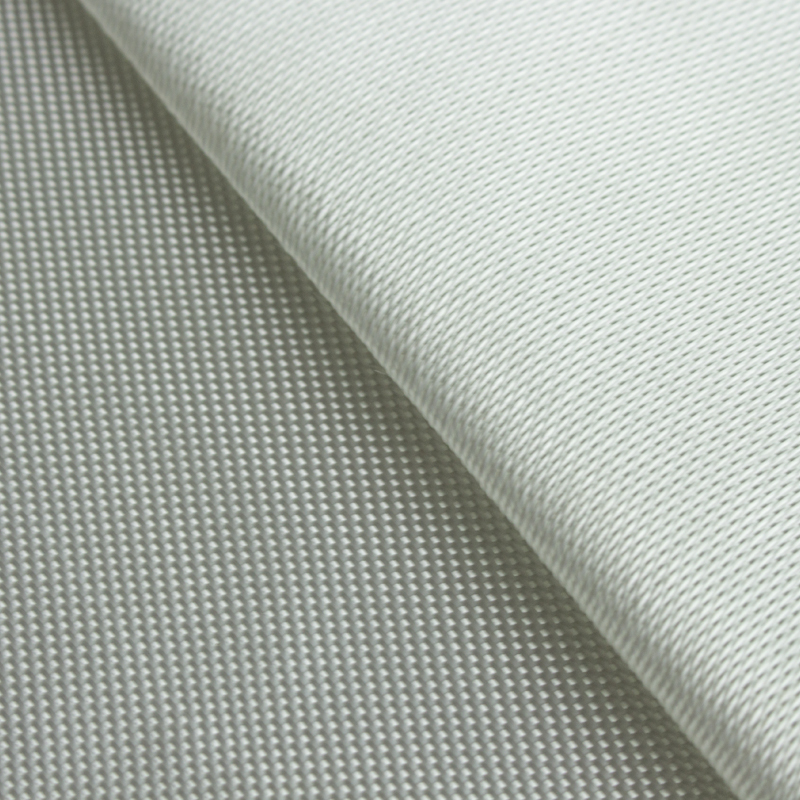
Fiberglass Cloth: An Overview and Its Applications
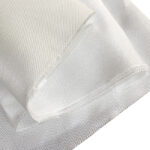
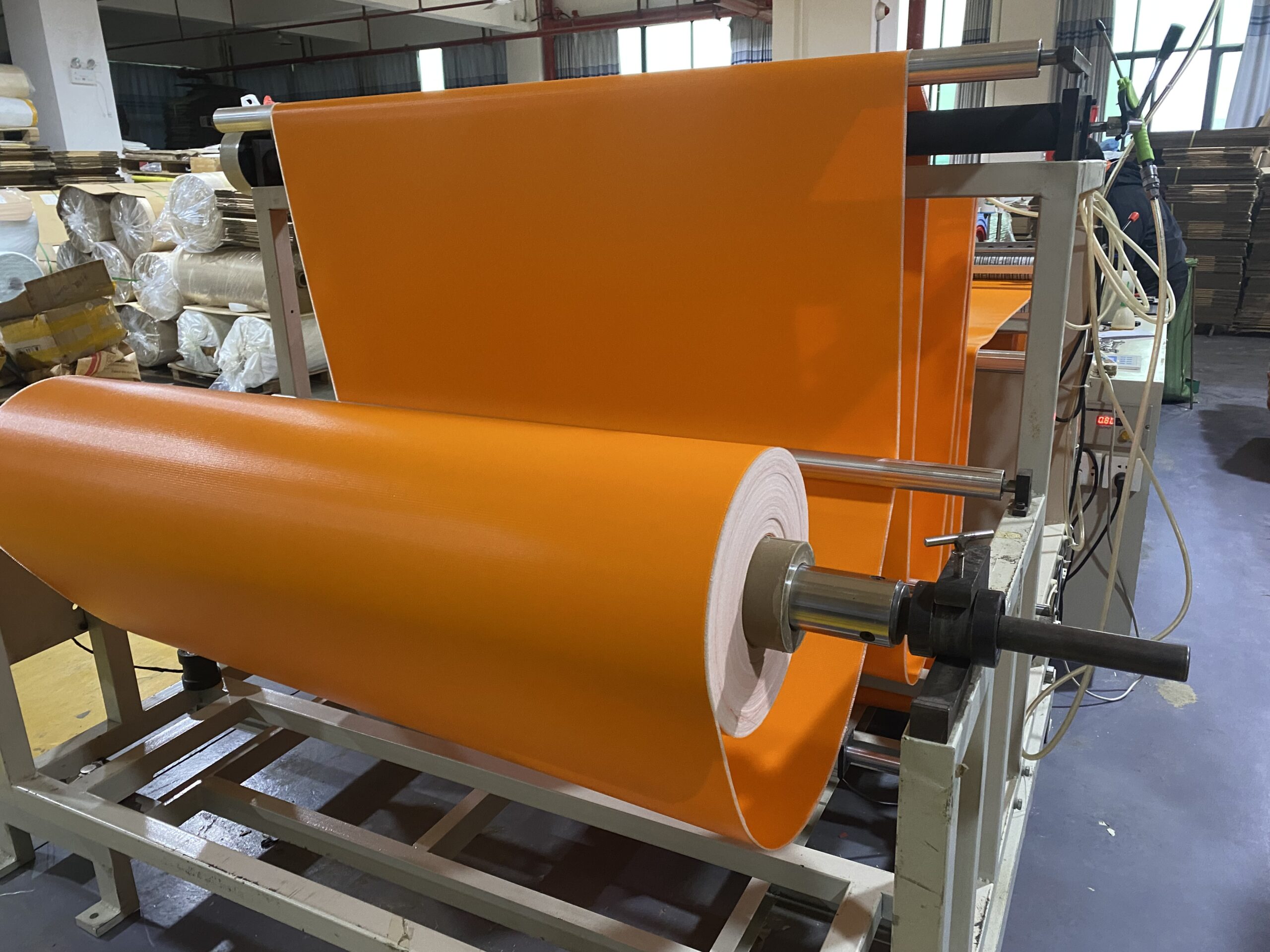
Fiberglass cloth, also known as glass fiber fabric, is a versatile and durable textile made from woven strands of glass fibers. This innovative material is renowned for its strength, heat resistance, and overall resilience, making it suitable for a wide range of industrial, commercial, and consumer applications.
Composition and Properties
Fiberglass cloth is produced by weaving fine strands of glass into a fabric. These strands are made from molten glass that is drawn into thin fibers and then woven into a mesh-like structure. The result is a fabric that boasts several remarkable properties:
- High Strength: The glass fibers provide exceptional tensile strength, making the cloth highly resistant to tearing and stretching.
- Heat Resistance: Fiberglass cloth can withstand high temperatures without degrading, which makes it ideal for applications involving heat and flame.
- Chemical Resistance: The glass fibers resist chemical attacks, including those from acids and alkalis, which ensures durability in harsh environments.
- Electrical Insulation: It is an effective electrical insulator due to its non-conductive nature, preventing electrical shorts and enhancing safety.
Applications of Fiberglass Cloth
- Reinforced Composites: One of the most common uses of fiberglass cloth is as a reinforcement in composite materials. When combined with resins, such as epoxy or polyester, the fiberglass cloth forms a strong and lightweight composite known as fiberglass-reinforced plastic (FRP). This composite is widely used in manufacturing automotive parts, boat hulls, aircraft components, and structural components for buildings. The reinforced plastic offers enhanced strength, rigidity, and resistance to impact.
- Insulation: Fiberglass cloth serves as an effective thermal insulator in both residential and industrial settings. It is used in insulation panels, rolls, and blankets to improve energy efficiency by reducing heat transfer. This application is crucial for maintaining stable temperatures in buildings, reducing heating and cooling costs, and enhancing comfort.
- Electrical Insulation: Due to its non-conductive properties, fiberglass cloth is commonly used as an electrical insulation material. It is employed in electrical transformers, circuit boards, and other electronic devices to prevent electrical shorts and protect sensitive components from damage.
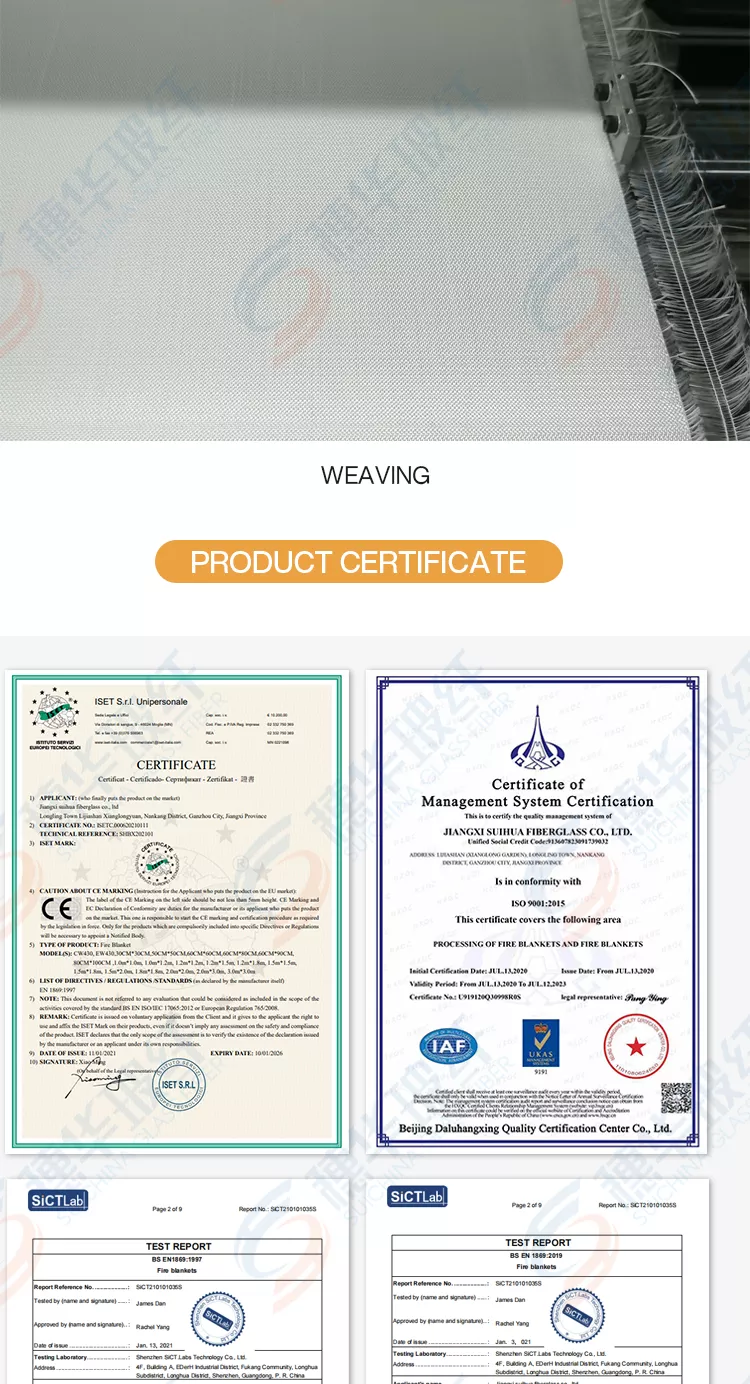
- Fire Protection: The inherent fire-resistant properties of fiberglass cloth make it a valuable material for fire protection applications. It is used in the production of fire barriers, protective clothing, and fire-resistant blankets. Its ability to withstand high temperatures helps to protect both people and property from fire hazards.
- Corrosion Resistance: Fiberglass cloth is highly resistant to corrosion, making it an ideal choice for environments exposed to chemicals, moisture, and other corrosive substances. It is used in the lining of tanks, pipes, and other equipment that handle corrosive materials, extending the lifespan of these assets and reducing maintenance costs.