

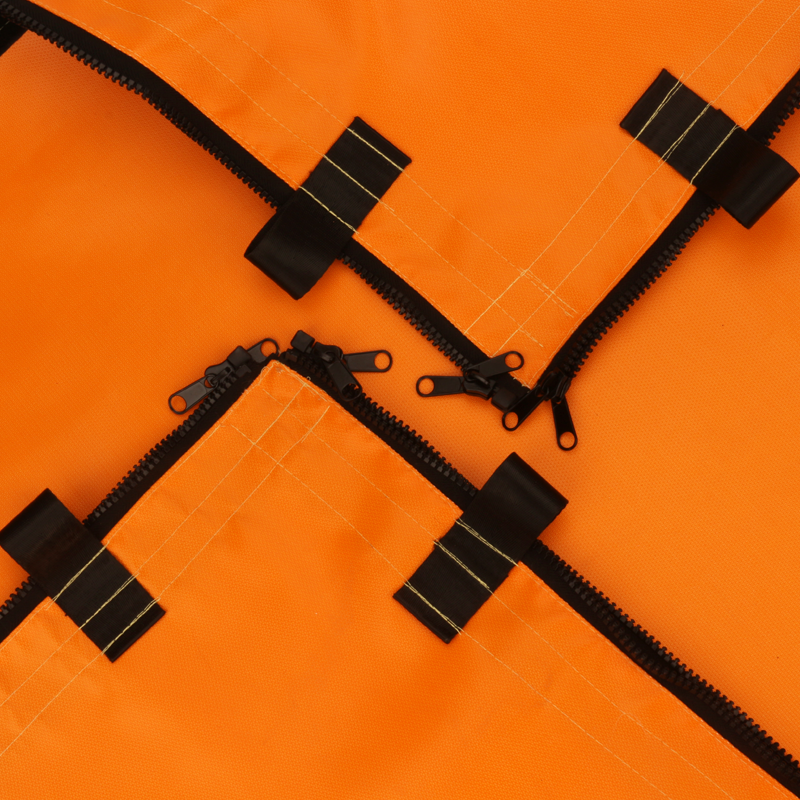



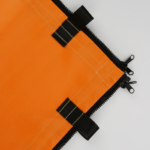

Material: 100% Fiberglass
Coating: Silicone Coated on Both Sides
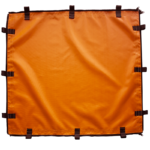
Size: 1*1m, or Customized
Thickness: around 0.5mm
Weight: 950g/m2, or customized
Function: Isolate the welding area, contain the heat source
Certificate: EN13501-1:2018/ISO9001
Testing Standard: EN13501/BS EN1869:2019
Package: PE Bag + Carton Box
Package Include Weight: 1000g
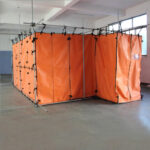
Safe welding habitats, often referred to as welding enclosures or welding tents, are designed to provide a controlled environment for welding operations while ensuring the safety of workers and surrounding areas. These habitats are particularly essential in industries where welding is performed in hazardous or sensitive environments. Here are some key features and considerations for safe welding habitats:
Fire Resistance: Safe welding habitats are constructed using fire-resistant materials to minimize the risk of fire hazards. Materials such as fire-retardant fabrics or metal frames with fireproof coatings are commonly used to enhance safety.
Hazard Containment: The welding area should contain sparks, heat, UV light, and fumes to prevent them from spreading and causing harm.
Ventilation: Proper ventilation is needed to remove welding fumes and smoke, keeping the air clean and safe for workers.
Protective Gear: Workers should wear the right protective gear, such as welding helmets, flame-resistant clothes, gloves, and safety glasses, to prevent burns, eye injuries, and breathing problems.
Visibility: The welding area should have clear, heat-resistant panels or windows so welders can see their work while being protected from sparks and debris.
Emergency Exits: There should be clear and accessible emergency exits for quick evacuation in case of emergencies like fires.
Training and Supervision: Workers need proper training in welding safety, and supervisors should ensure safety rules are followed and hazards are managed.
Maintenance and Inspections: The welding area and equipment should be regularly checked and maintained to fix any safety issues.
Regulation Compliance: The welding area must meet safety regulations and standards to reduce the risk of accidents and legal problems.
A safe welding area should contain hazards, have good ventilation, and allow clear visibility. Workers need protective gear, emergency exits must be accessible, and regular maintenance is crucial. Training and adherence to safety regulations are also important.
Follow us on LinkdedIn.