© 2024 Jiangxi Suihua Fiberglass Co., Ltd. All rights reserved.Sitemap Privacy Policy

Fiberglass fabric is a woven material made from glass yarn. It is used in a variety of applications, including construction materials, thermal insulation and cooling projects, surface materials to prevent the scattering of glass wool or rock wool, and sound-absorbing materials.
It finds applications in office buildings, commercial facilities, factories, and various power plants. Fiberglass fabric plays a vital role in supporting industrial operations and everyday life.
Additionally, thinner fiberglass fabric can be used as a base material for printed circuit boards, making it an essential component in various electronic devices.
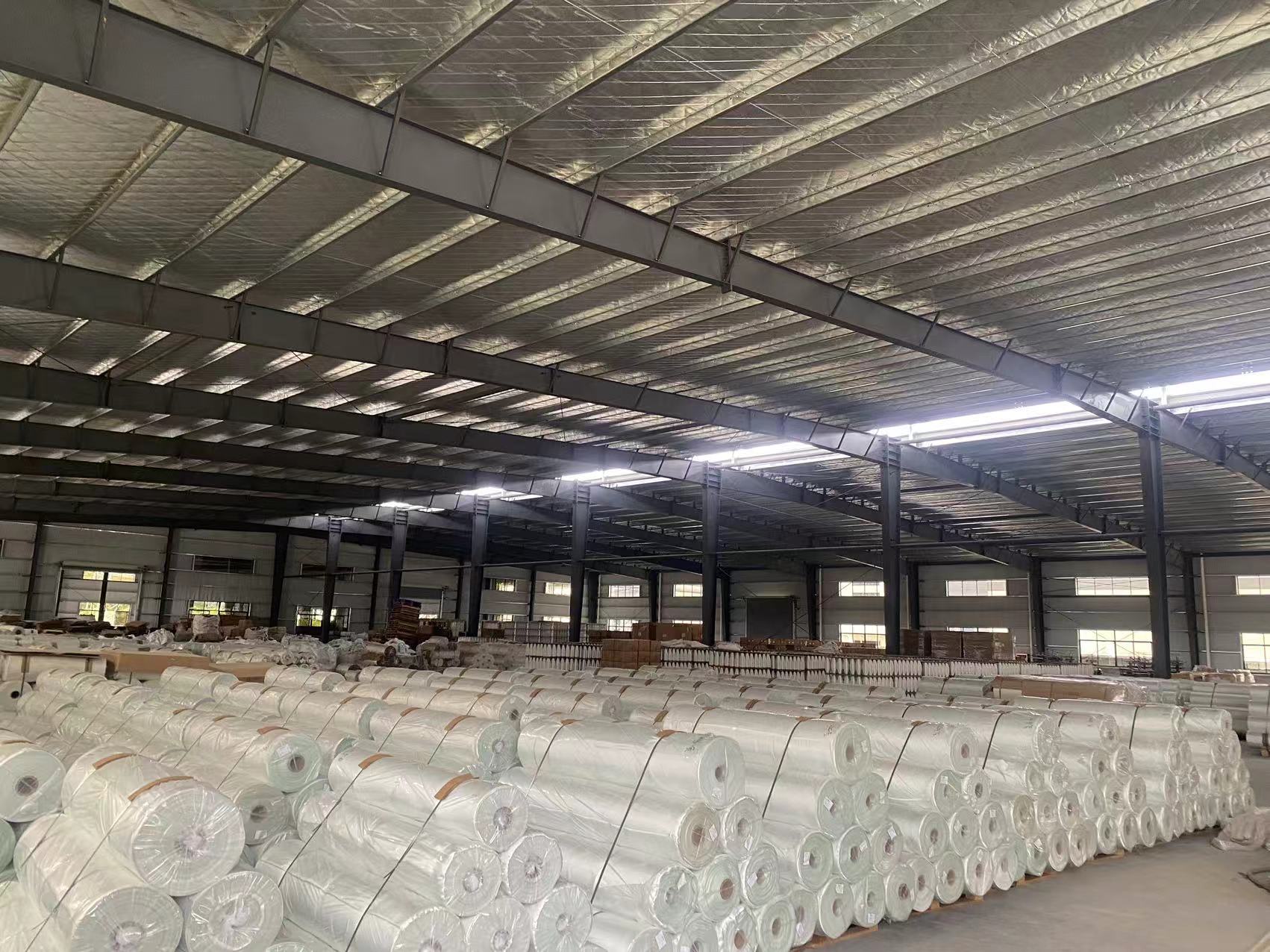
Fiberglass fabric is woven using different methods based on its intended use. Below are some common weaving patterns:
This is the most basic and common weaving method. Glass yarns alternate and intersect in the vertical (warp) and horizontal (weft) directions. It is used for facing fiberglass fabric and numerous other applications.
In this method, the warp yarn crosses over multiple weft yarns, creating a fabric with a visible diagonal pattern on the surface. Compared to plain weave, it is denser and thicker. It is primarily used for insulation fiberglass fabric.
This weave is softer than twill weave. It is used for composite materials (FRP) and is suitable for molding products with complex curved surfaces, such as fishing rods and poles. It is also utilized in silicone-coated fabric.

Sealing is performed to protect the surface of the fiberglass fabric and prevent wear and misalignment. This treatment also makes the fabric easier to handle compared to untreated material.
Fiberglass fabric is immersed in waterproof adhesives, making it resistant to moisture.
The surface of fiberglass yarn contains some binders, which may interfere with various post-weaving processes. Heat cleaning treatment is applied to remove these binders.
After heat cleaning, silane coupling agents are added to the fiberglass fabric to enhance compatibility with resin.
Fiberglass fabric can be coated with various resins such as silicone, PTFE, and PVC. Applications vary based on the coating, including use in air conditioning duct fittings, insulation sleeves, membrane materials, spark protection sheets, tents, and more.
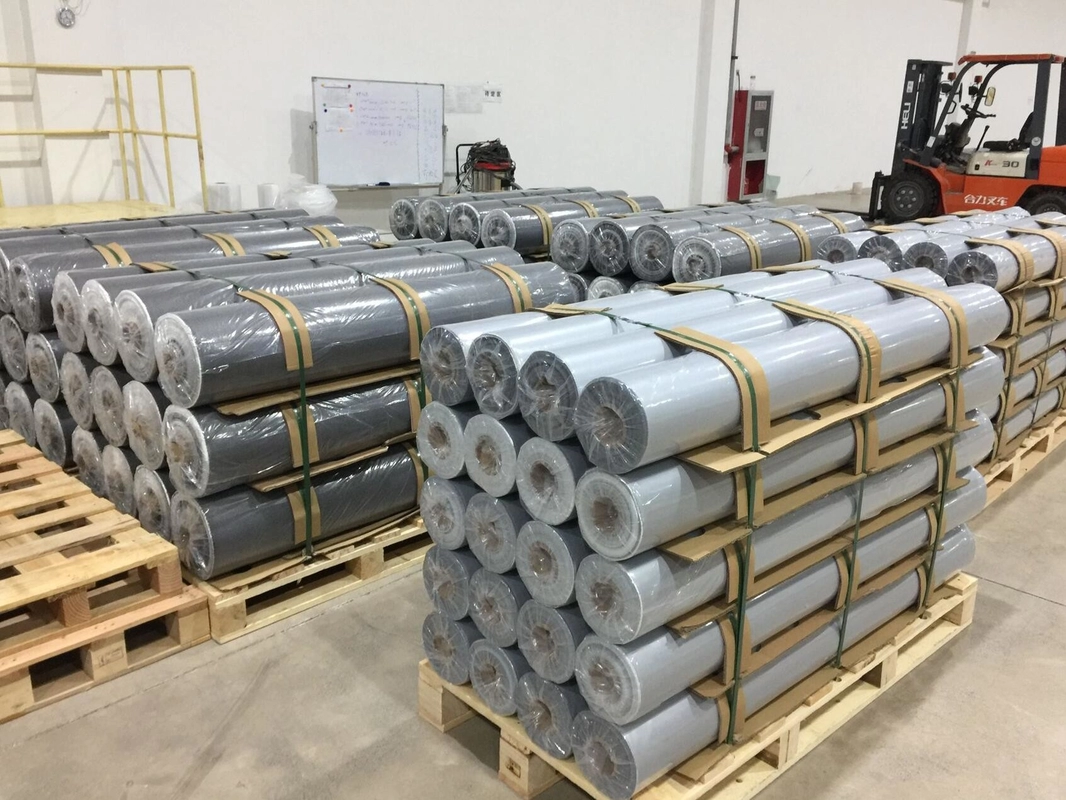
Fiberglass fabric’s versatility, durability, and ability to adapt to diverse applications make it a critical material in modern industrial and commercial uses.
Following us on LinkedIn.