© 2024 Jiangxi Suihua Fiberglass Co., Ltd. All rights reserved.Sitemap Privacy Policy

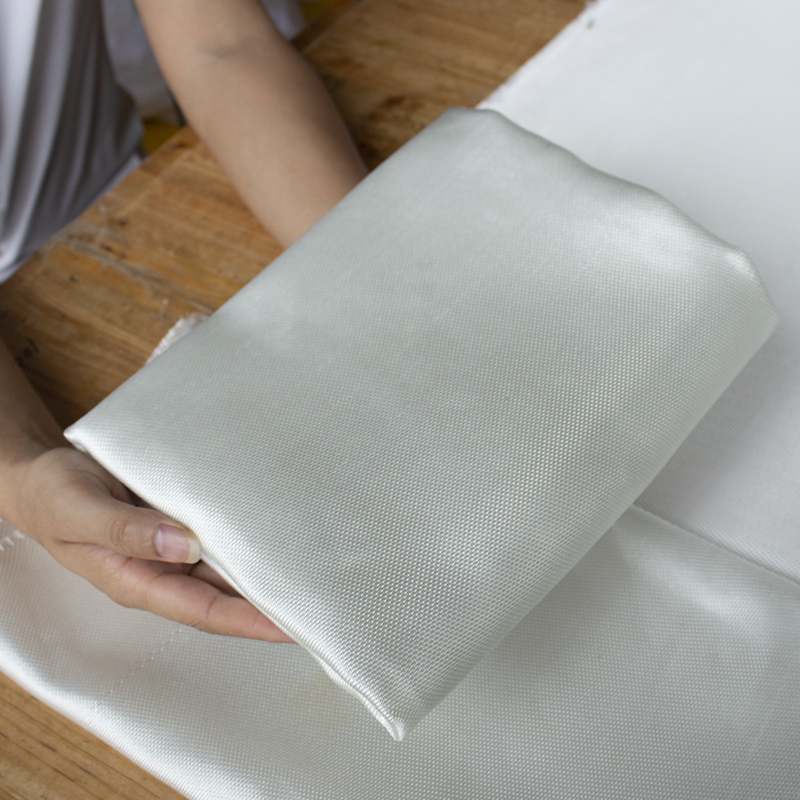
Fiberglass cloth, a versatile material made from woven glass fibers, has gained significant popularity in various industries due to its durability, heat resistance, and lightweight properties. In the automotive industry, fiberglass cloth plays a crucial role in enhancing the performance, safety, and longevity of vehicles. From manufacturing to repair, this material is utilized in several key applications. Let’s explore how fiberglass cloth is used in the automotive industry and why it’s so beneficial.
One of the primary uses of fiberglass cloth in the automotive industry is for heat and fire protection. The material is naturally resistant to high temperatures, making it ideal for use in areas that are exposed to intense heat, such as engine compartments, exhaust systems, and brake components. Fire-resistant fiberglass cloth can help prevent fires from spreading, offering an additional layer of safety in case of engine failure or a fire hazard. It is commonly used in heat shields, fire blankets, and protective barriers within vehicles.
Fiberglass cloth is also used in automotive applications to reduce noise and vibrations. Vehicles, especially those with high-performance engines, can be noisy, which can impact the comfort of the driver and passengers. Fiberglass cloth, when used in conjunction with other materials, can absorb and dampen sound, providing a quieter cabin experience. Additionally, the cloth helps to reduce vibrations from the engine and road, contributing to a smoother ride and less wear on vehicle components.
Fiberglass cloth is a key component in the production of composite materials, which are often used in the automotive industry to make lightweight yet strong parts. By weaving glass fibers into cloth, manufacturers can create a flexible and durable material that can be molded into various shapes. These composites are used to produce a wide range of automotive parts, such as body panels, bumpers, hoods, and fenders. The use of fiberglass cloth in composite materials helps to reduce the overall weight of the vehicle, which improves fuel efficiency and reduces emissions.
Another benefit of fiberglass cloth in the automotive industry is its ability to repair and reinforce damaged parts. Fiberglass cloth can be used to patch up cracks or holes in automotive bodywork, including the chassis, panels, and other components. When combined with resin, fiberglass cloth forms a strong and durable bond, providing a long-lasting repair solution. This makes it a cost-effective and reliable option for both manufacturers and repair shops.
With the rise of electric vehicles, fiberglass cloth is becoming an essential material in the automotive industry. The lightweight nature of fiberglass composites helps to offset the weight of large batteries in EVs, improving overall performance and efficiency. Additionally, fiberglass is an excellent insulator, making it suitable for use in electrical applications such as battery casings, wiring harnesses, and electrical components in EVs.
Fiberglass cloth is also used for vehicle customization, allowing automotive manufacturers and enthusiasts to create unique designs and finishes. The cloth can be molded into custom shapes and combined with various finishes to create visually appealing parts such as spoilers, grilles, and interior elements. Its ability to be easily molded and painted gives car manufacturers greater flexibility in design, allowing them to create attractive and functional vehicles.
Fiberglass cloth is more environmentally friendly compared to other traditional materials used in the automotive industry. Its lightweight properties not only improve fuel efficiency but also reduce the carbon footprint of manufacturing and transportation. Additionally, fiberglass cloth is durable and has a long lifespan, which can lead to fewer replacements and reduced waste over time. As the automotive industry continues to shift towards more sustainable practices, the use of fiberglass in vehicle production is expected to grow.
Fiberglass cloth is a highly valuable material in the automotive industry, offering a wide range of benefits from heat resistance and fire protection to lightweight reinforcement and soundproofing. Its versatility makes it an essential component in manufacturing, repairs, and vehicle customization. As the automotive industry continues to evolve, especially with the rise of electric vehicles, fiberglass cloth will remain an important material for improving vehicle performance, safety, and sustainability. Whether for enhancing the structural integrity of vehicles or ensuring passenger comfort, fiberglass cloth is truly a critical asset in modern automotive design and production.
Follow us on LinkedIn.