© 2024 Jiangxi Suihua Fiberglass Co., Ltd. All rights reserved.Sitemap Privacy Policy

In recent months, the price of fiberglass cloth has experienced notable fluctuations, reflecting a combination of market dynamics, raw material costs, and demand shifts. Understanding these trends is essential for manufacturers and buyers alike.
There has been a marked increase in the price of fiberglass cloth due to rising raw material costs. This trend has been particularly pronounced over the past year, with prices climbing by approximately 15-20%.

The market has exhibited volatility, with periodic price adjustments based on supply and demand dynamics. Manufacturers have struggled to maintain stable pricing amid changing market conditions.
Prices vary significantly across different regions, influenced by local production capabilities, transportation costs, and regulatory factors.

The primary driver of increased prices has been the rising costs of key raw materials, such as glass fibers and resins. Supply chain disruptions and increased demand for these materials have further exacerbated the situation.
The automotive and construction sectors have seen a surge in demand for fiberglass products, driven by a focus on lightweight materials and sustainable construction practices. This heightened demand has put pressure on suppliers, leading to price increases.
Ongoing global supply chain issues, including shipping delays and shortages of transport capacity, have affected the availability of fiberglass cloth, contributing to higher prices.
Fluctuations in energy prices also play a significant role, as the production of fiberglass materials is energy-intensive. Rising energy costs have been passed on to consumers in the form of higher prices.
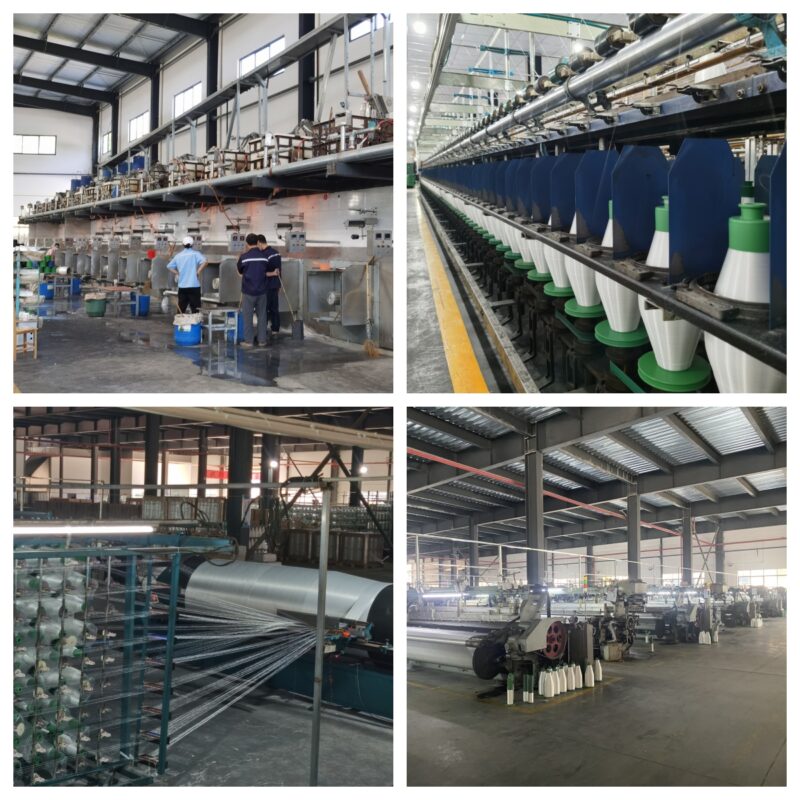
The recent price trends of fiberglass cloth highlight the complex interplay of raw material costs, demand fluctuations, and supply chain dynamics. As the market continues to evolve, stakeholders must stay informed about these trends to make strategic purchasing decisions and navigate the changing landscape effectively. The outlook suggests that while prices may stabilize in the long term, short-term volatility is likely to persist, influenced by both global economic conditions and industry-specific factors.
Follow us on LinkedIn.