© 2024 Jiangxi Suihua Fiberglass Co., Ltd. All rights reserved.Sitemap Privacy Policy

Fiberglass cloth is increasingly becoming a pivotal material in the automotive industry, driven by its lightweight, high strength, and thermal resistance properties. Here’s a closer look at its relationship with the automotive sector, future prospects, and emerging development trends.

Fiberglass cloth significantly reduces vehicle weight, which improves fuel efficiency and handling, making it a preferred choice for modern automotive designs.
The material offers high tensile strength and resistance to corrosion, making it ideal for various applications within vehicles, from body panels to internal components.
Fiberglass can withstand high temperatures, enhancing safety in fire-prone areas of vehicles, which is critical for overall vehicle reliability.
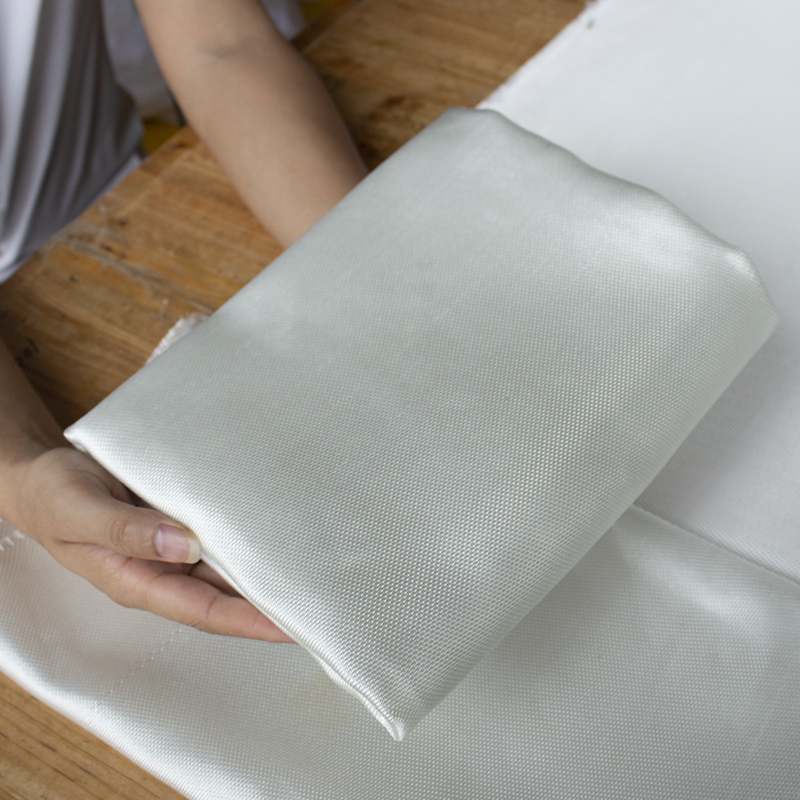
The rise of electric vehicles (EVs) is increasing the demand for lightweight materials like fiberglass, which can improve battery efficiency and extend driving range.
As the automotive industry shifts towards greener practices, fiberglass’s recyclability and low environmental impact align well with sustainability goals.
Advances in production techniques are making fiberglass more affordable, encouraging wider adoption in vehicle manufacturing and opening new market opportunities.
Ongoing research is leading to advanced fiberglass composites with enhanced properties tailored for specific automotive applications, improving performance and safety.
Manufacturers are focusing on tailored solutions for specific vehicle designs, enabling greater customization and improved aesthetics.
Hybrid composites that combine fiberglass with other materials are becoming popular, further enhancing functionality, durability, and versatility in automotive designs.
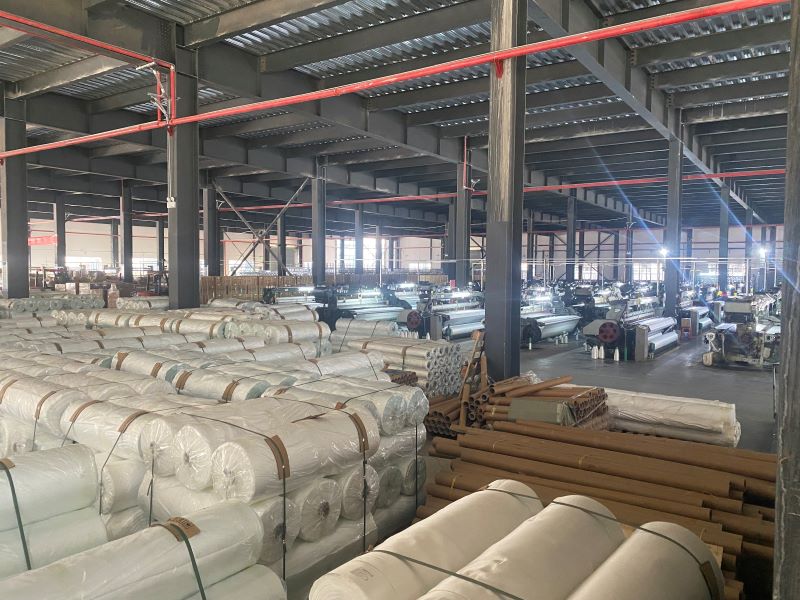
The outlook for fiberglass cloth in the automotive sector is bright, driven by innovation, the push for greener technologies, and the increasing demand for lightweight materials. As the industry evolves, fiberglass will continue to play a crucial role in shaping the future of vehicle design and manufacturing.
Follow us on LinkedIn.