© 2024 Jiangxi Suihua Fiberglass Co., Ltd. All rights reserved.Sitemap Privacy Policy

When it comes to fire safety, cutting corners can cost lives. Fire blankets are essential tools for smothering small fires, but not all blankets are created equal. While low-quality options might seem tempting due to their low price tag, they often fail when needed most. Let’s break down the critical differences between high-quality and low-cost fire blankets—and why settling for the latter could be a dangerous mistake.
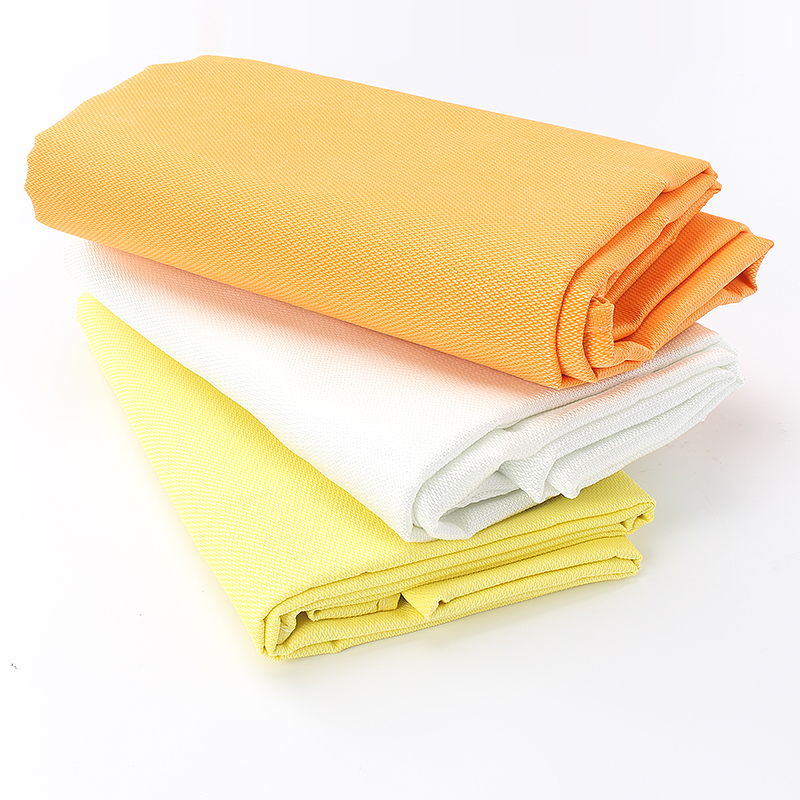
High-Quality: Premium fire blankets are made from fiberglass or silicone-coated fabrics designed to withstand extreme heat (up to 900°F/500°C). These materials remain intact during use, creating an airtight seal to starve flames of oxygen.
Low-Quality: Cheap alternatives often use thin, untreated fiberglass or polyester blends. Under high temperatures, these materials may melt, tear, or even catch fire, rendering the blanket useless.
Real-World Impact: Imagine trying to smother a kitchen grease fire, only to watch the blanket disintegrate in your hands. Low-quality materials turn a safety tool into a hazard.
High-Quality: Reinforced pull-straps are stitched securely and tested for quick, one-handed deployment. They’re designed to endure sharp tugs without breaking.
Low-Quality: Flimsy straps made from weak nylon or plastic often snap under pressure. In a panic, you might waste precious seconds wrestling with a broken strap.
Real-World Impact: A snapped strap means delayed response time—and in a fire, even 10 seconds can mean the difference between containment and catastrophe.
High-Quality: Reputable brands comply with international safety standards (e.g., EN 1869, UL, or ASTM). These certifications guarantee rigorous testing for heat resistance, size, and effectiveness.
Low-Quality: Many budget options lack certifications or use vague claims like “fire-resistant” without proof. Some even falsify labels to appear legitimate.
Real-World Impact: Uncertified blankets may look functional but fail to meet basic safety requirements, leaving you unprotected.
High-Quality: Well-made blankets can often be reused after minor incidents (if cleaned properly). Their robust construction ensures longevity.
Low-Quality: Thin materials degrade after first use, and melting fibers may leave toxic residues. Many become unusable even if untouched.
Real-World Impact: A “bargain” blanket that needs frequent replacement ends up costing more—and offers less reliability—over time.
High-Quality: Standard sizes (e.g., 1.2m x 1.2m) provide ample coverage for most small fires, from stovetops to electrical equipment.
Low-Quality: To cut costs, manufacturers often shrink dimensions or use uneven weaving. Smaller blankets may fail to fully smolder flames, allowing fires to reignite.
A fire blanket isn’t just a product—it’s a lifeline. High-quality options might cost slightly more upfront, but they offer proven reliability, durability, and peace of mind. When lives and property are at stake, “cheap” is never a smart choice.
Next time: Check for certifications, read reviews, and choose brands trusted by firefighters. Your safety deserves nothing less.
Stay safe, stay prepared.
Follow us on LinkedIn.