© 2024 Jiangxi Suihua Fiberglass Co., Ltd. All rights reserved.Sitemap Privacy Policy

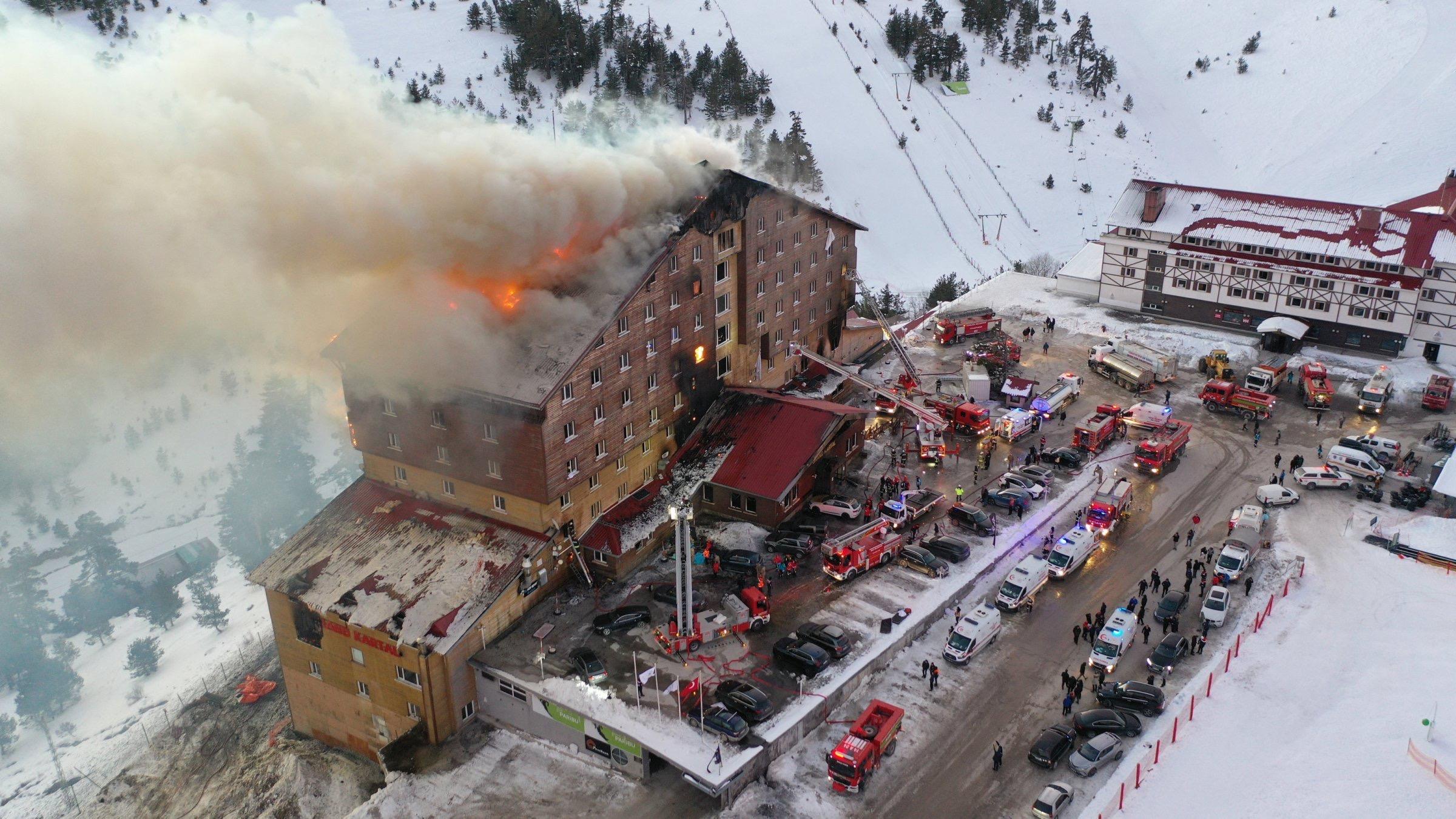
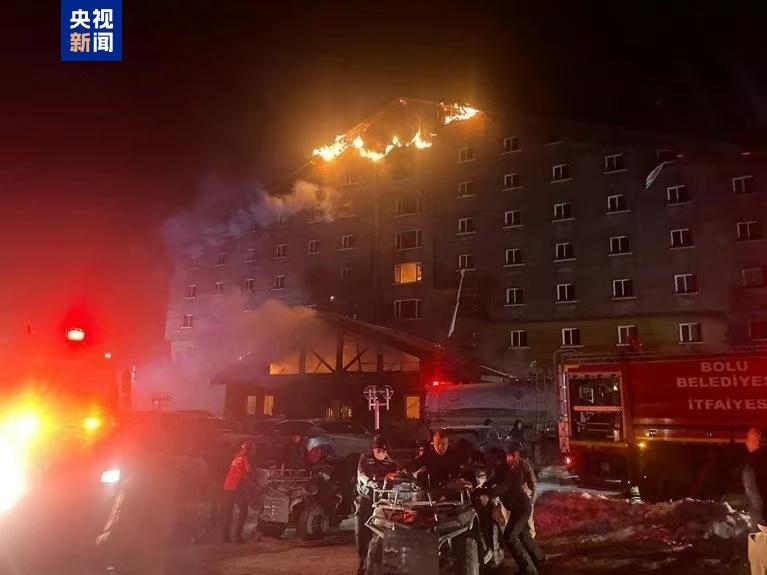
The recent tragic fire at a popular ski resort in Turkey’s Kartalkaya region highlights the critical need for improved fire safety measures in hotels, especially those catering to tourists during peak seasons. With 76 lives lost and many families affected, it serves as a sobering reminder of the importance of proactive safety measures to protect both lives and property.
For vacation hotels, especially in remote or challenging locations like ski resorts, here are key steps to enhance fire safety and safeguard the rights of travelers:
Fire blankets are a simple yet highly effective tool in fire emergencies. These blankets can smother flames quickly and prevent small fires from spreading. Hotels should place fire blankets in all guest rooms, kitchens, and public areas. Clear instructions for their use should be displayed to ensure everyone knows how to act in case of a fire.

Fire drills are essential for both staff and guests. Hotels must conduct regular practice sessions to ensure everyone knows evacuation routes and safety procedures. This helps minimize panic during emergencies and ensures an orderly evacuation.
Early detection is crucial to preventing the spread of fire. Hotels should install smoke detectors, fire alarms, and sprinkler systems in all rooms and public spaces. These systems must be tested regularly to ensure they function properly.
Every room should have an easy-to-read evacuation map that shows exits, stairways, and assembly points. Hotels should also provide instructions in multiple languages to accommodate international guests.
Hotel staff play a vital role during emergencies. All employees should be trained in fire safety protocols, including the use of fire blankets, extinguishers, and guiding guests to safety. Staff training should be updated regularly to stay in line with best practices.
Hotels in challenging locations, such as those on cliffs or remote mountains, face additional risks. Emergency exits must be designed to account for these challenges. For example, rope ladders or other evacuation aids should be available for guests in rooms located far from main exits.
Fire safety equipment and systems must be inspected regularly. Hotels should ensure fire alarms, extinguishers, and blankets are in good condition. Local authorities should also enforce strict compliance with fire safety regulations.
Guests should be informed about the hotel’s fire safety measures before their stay. Hotels must also carry sufficient insurance to protect the rights of guests in case of emergencies. Transparency about safety protocols can build trust and reassure travelers.
Fire safety in vacation hotels is a shared responsibility. Hotel owners must prioritize safety by investing in essential tools like fire blankets, training staff, and ensuring regular maintenance of safety systems. For travelers, knowing the safety measures in place can make all the difference in feeling secure during their stay.
Tragic events like the Kartalkaya ski resort fire remind us that lives depend on preparation. By taking proactive steps, hotels can create safer environments and ensure the rights and well-being of their guests.
Follow us on LinkedIn.