Flame Covers logo
You are here:Home » Blog » The Ultimate EV Fire Safety Solution: High-Silica Fire Blankets

The Ultimate EV Fire Safety Solution: High-Silica Fire Blankets

Views: 642 Author: wp-dev Publish Time: Origin:

The Ultimate EV Fire Safety Solution: High-Silica Fire Blankets


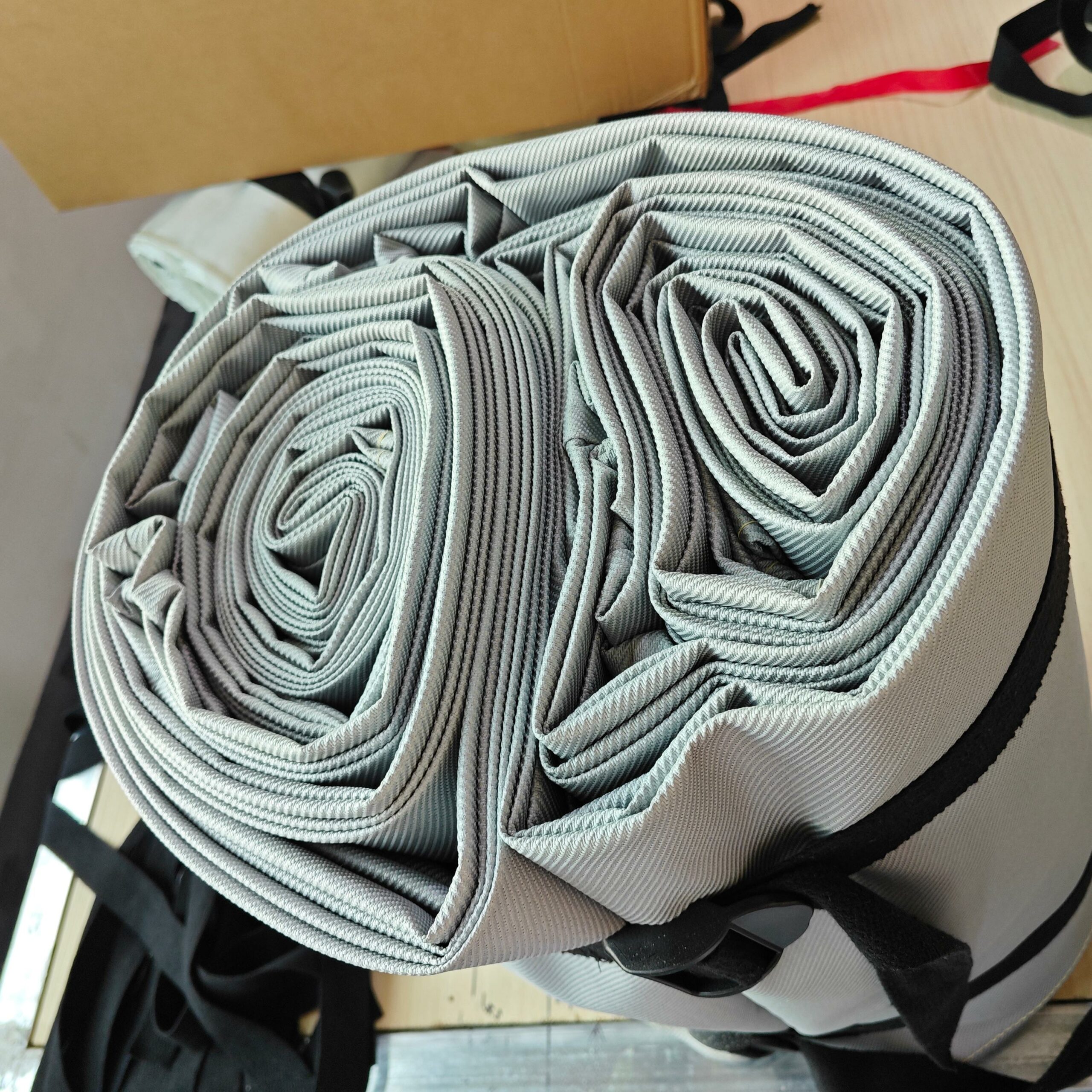
When it comes to car safety, especially for electric vehicles (EVs), having the right fire blanket is crucial. In Europe, car fire blankets sjould meet the DIN SPEC 91489 standard, which ensures they can handle extreme temperatures and provide reliable protection in emergencies. To meet this standard, high-quality materials like high-silica or basalt fibers are essential. Let’s break down why these materials matter and why SUIHUA’s high-silica fire blankets are a top choice for EV safety.


What is the DIN SPEC 91489 Standard?


The DIN SPEC 91489 standard is a set of guidelines for fire blankets used in vehicles, particularly EVs. It ensures that the blankets can:

  • Withstand extremely high temperatures (up to 1100°C or more).
  • Effectively smother fires caused by lithium-ion batteries or other sources.
  • Provide durable and reliable protection in emergencies.

To meet these requirements, fire blankets must be made from advanced materials like high-silica or basalt fibers, which offer exceptional heat resistance and durability.


Why High-Silica and Basalt Fibers?


High-silica and basalt fibers are specially designed to handle extreme heat, making them perfect for car fire blankets. Here’s why they’re ideal:

  1. Extreme Heat Resistance:
    • High-silica fibers can withstand temperatures up to 1100-1700°C, making them perfect for EV fires, which can reach incredibly high temperatures.
    • Basalt fibers also offer excellent heat resistance, though slightly lower than high-silica.
  2. Lightweight and Durable:
    • These materials are lightweight, making them easy to store in a car, yet strong enough to handle intense conditions.
  3. Non-Toxic and Eco-Friendly:
    • High-silica and basalt fibers are non-toxic and environmentally friendly, aligning with Europe’s green initiatives.


bridgehill lithium fire blanket


Why Choose SUIHUA’s High-Silica Fire Blankets?


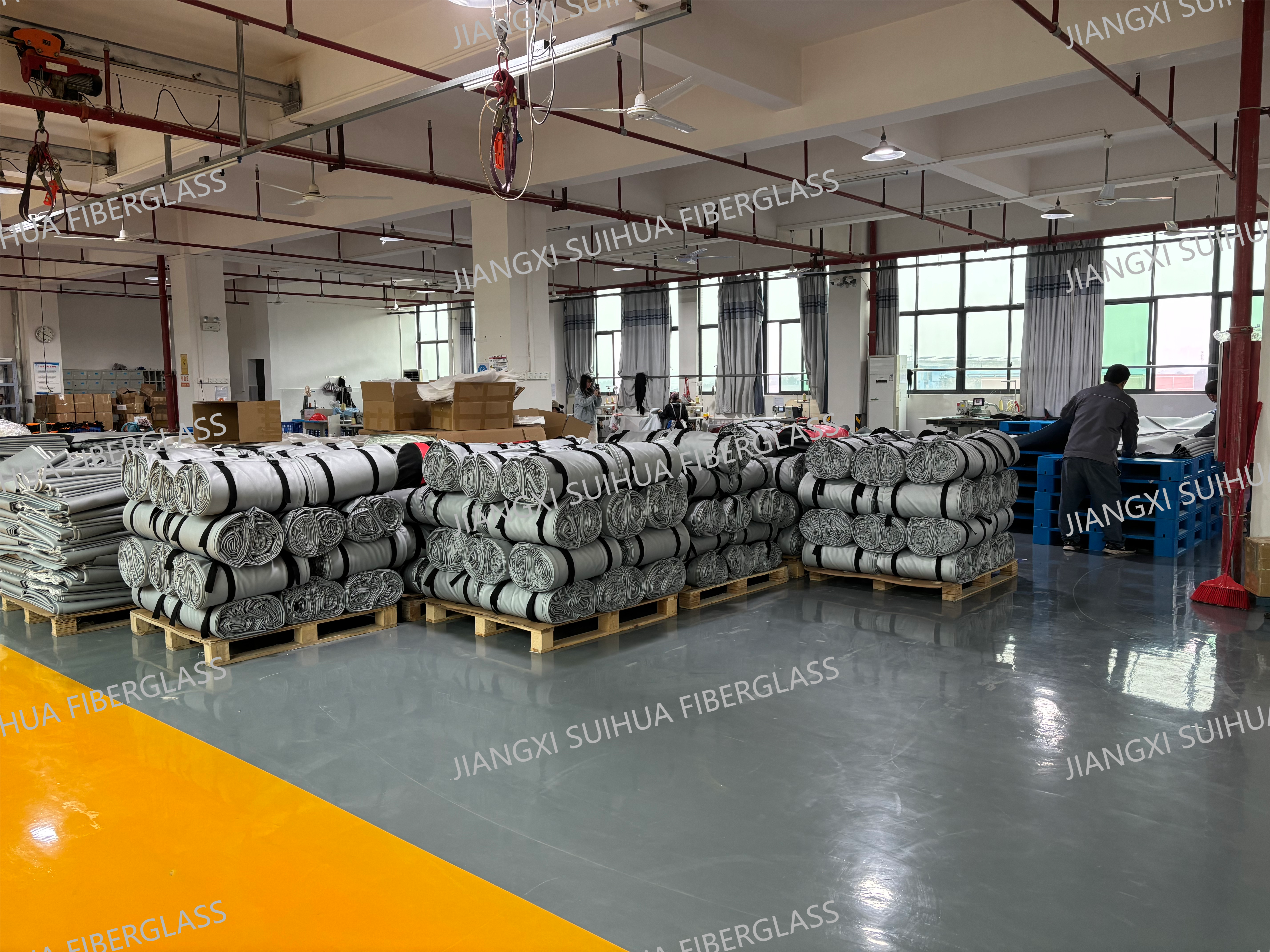
When it comes to meeting the DIN SPEC 91489 standard, SUIHUA’s high-silica fire blankets are a standout choice. Here’s why:
  1. Superior Heat Resistance:
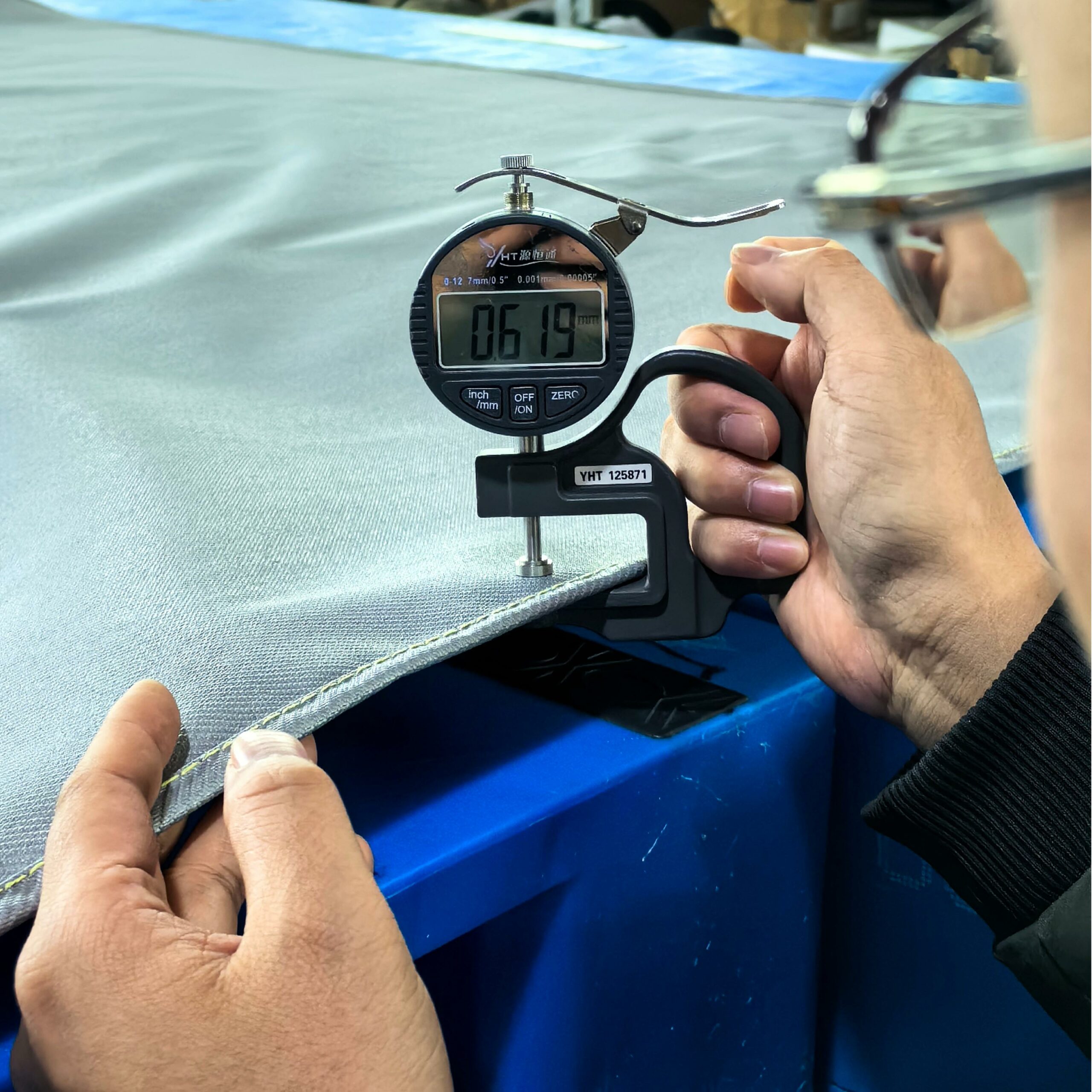
    • SUIHUA’s blankets are made from high-silica fibers, capable of withstanding temperatures up to 1700°C, making them ideal for EV fires.
  2. Compliance with DIN SPEC 91489:
    • SUIHUA’s fire blankets ensuring provide reliable protection in emergencies.
  3. Perfect for EVs:
    • With the rise of electric vehicles, SUIHUA’s blankets are specifically designed to handle lithium-ion battery fires, which are harder to extinguish than traditional fires.
  4. Lightweight and Easy to Use:
    • These blankets are compact and easy to store in a car, making them a practical safety solution for drivers.
  5. Eco-Friendly and Reusable:
    • SUIHUA’s high-silica blankets are non-toxic and reusable, making them a sustainable choice for car safety.


How SUIHUA’s Fire Blankets Work


Using SUIHUA’s fire blanket is simple:
  1. Store in Your Car: Keep the blanket in an easily accessible spot, like the trunk or under the seat.
  2. Deploy in an Emergency: In case of a fire, quickly place the blanket over the flames to smother them.
  3. Reuse if Possible: After use, inspect the blanket. If undamaged, it can be reused.


Conclusion


As electric vehicles become more popular, the need for reliable fire safety solutions grows. Fire blankets that meet the DIN SPEC 91489 standard, like those from SUIHUA, are essential for protecting drivers and passengers. Made from high-silica fibers, SUIHUA’s blankets offer unmatched heat resistance, durability, and eco-friendliness, making them the perfect choice for EV safety.

Don’t compromise on safety – choose SUIHUA’s high-silica fire blankets for your car today!


What do you think about the importance of fire blankets for EVs? Share your thoughts in the comments!


Follow us on LinkedIn.
 

Contact Us