
Understanding Glass Fiber Welding Blankets: A Comprehensive Guide
In industrial settings where high temperatures and intense heat are a common factor, safety and protection become paramount.
One essential tool designed to address these needs is the glass fiber welding blanket. This article delves into the properties, benefits, and applications of glass fiber welding blankets, providing a thorough understanding of why they are indispensable in various industrial operations.
What is a Glass Fiber Welding Blanket?
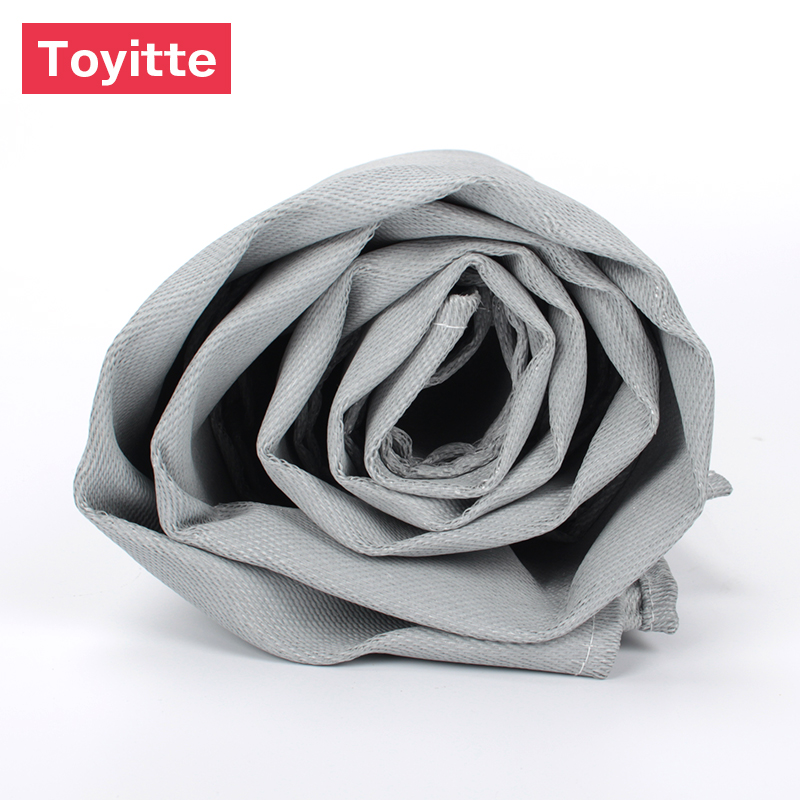
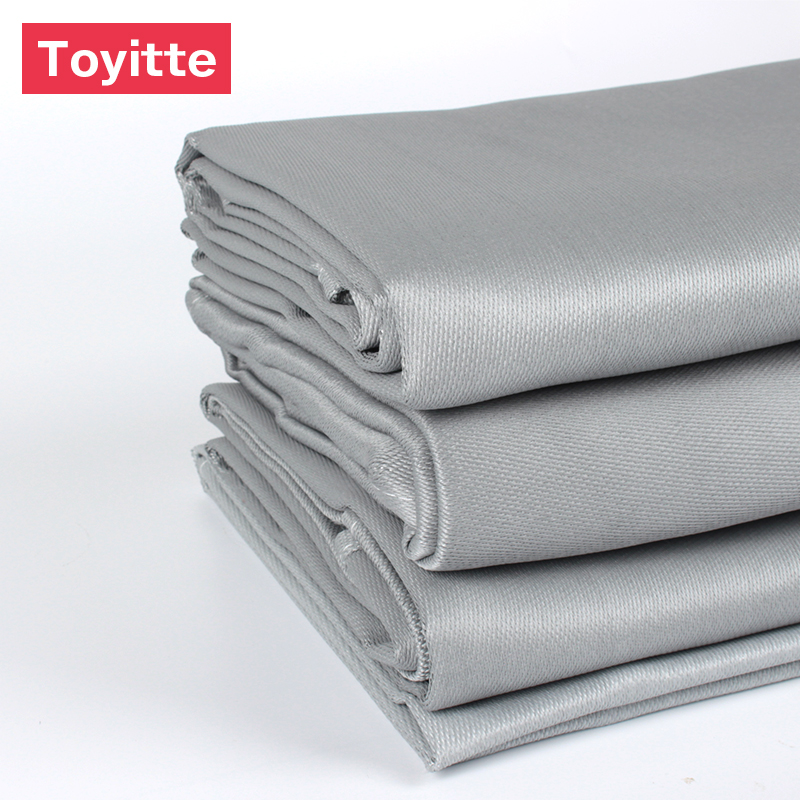
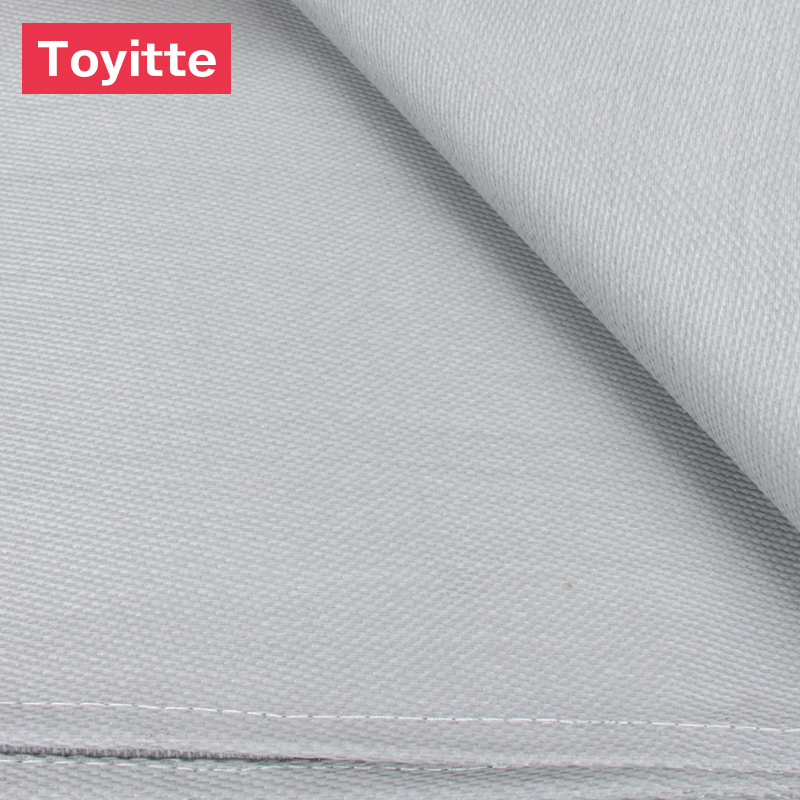
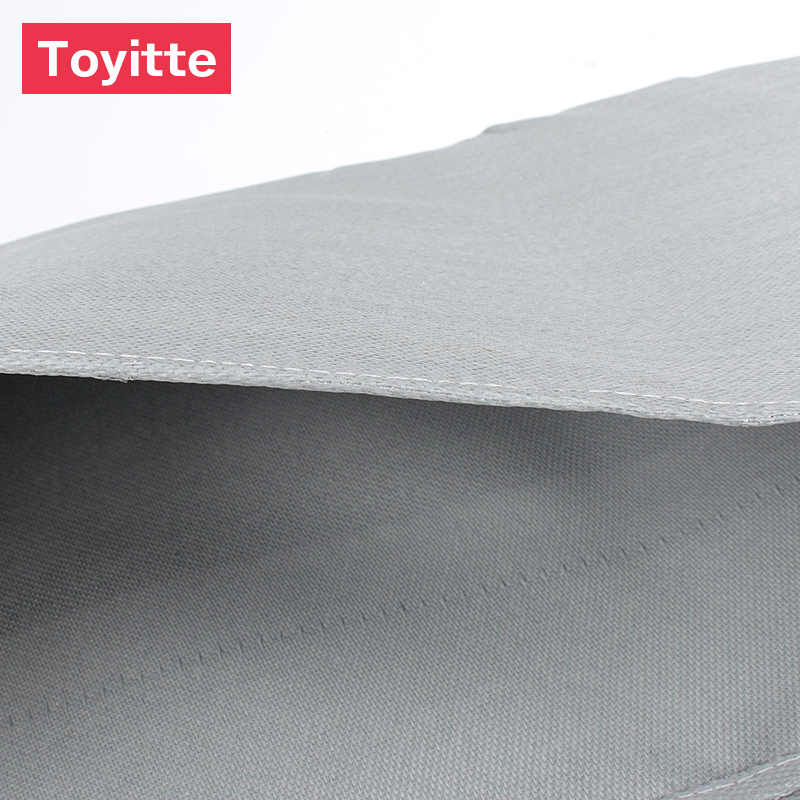
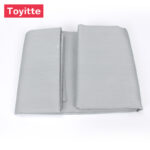
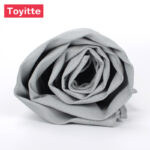
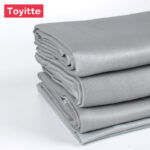
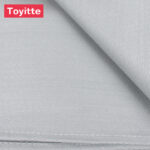
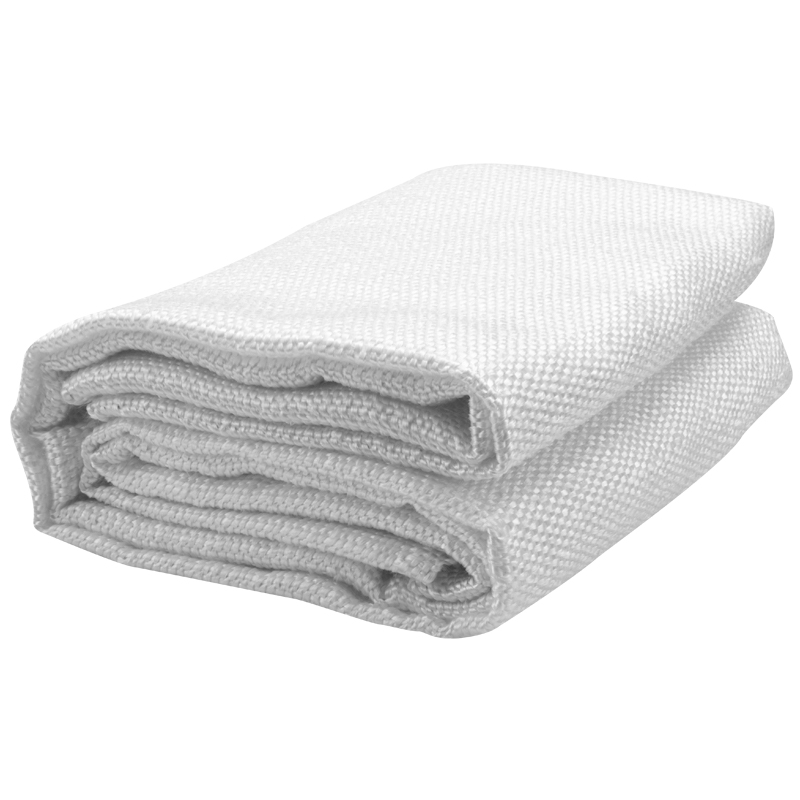
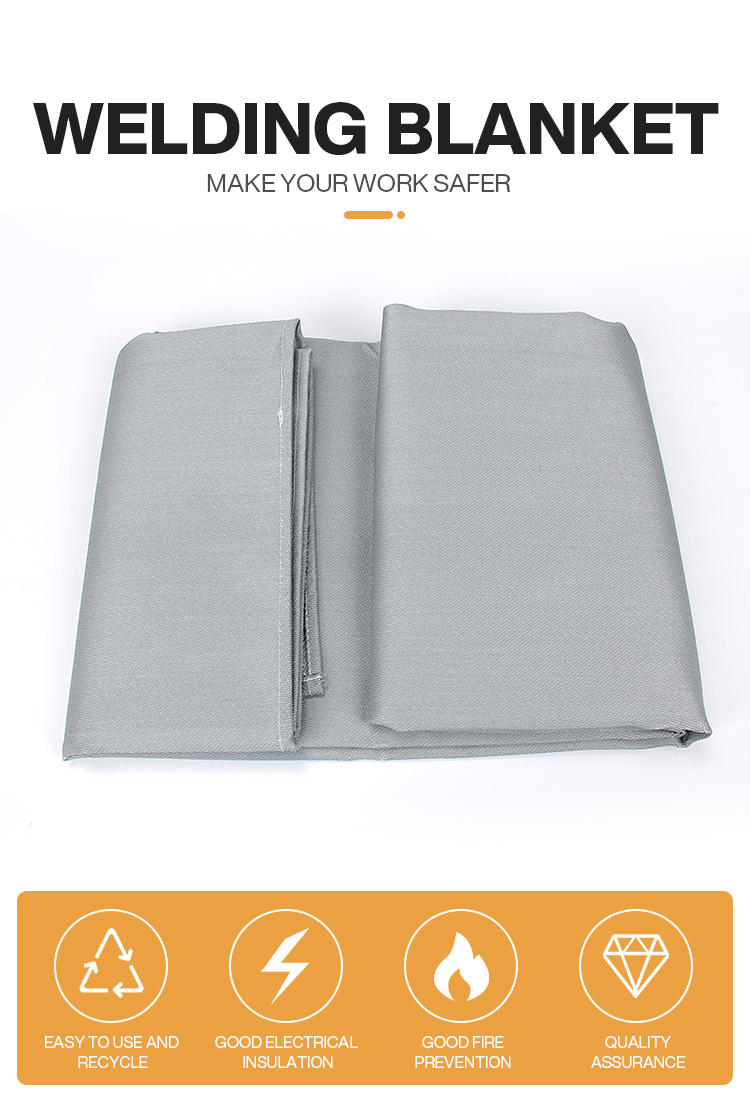
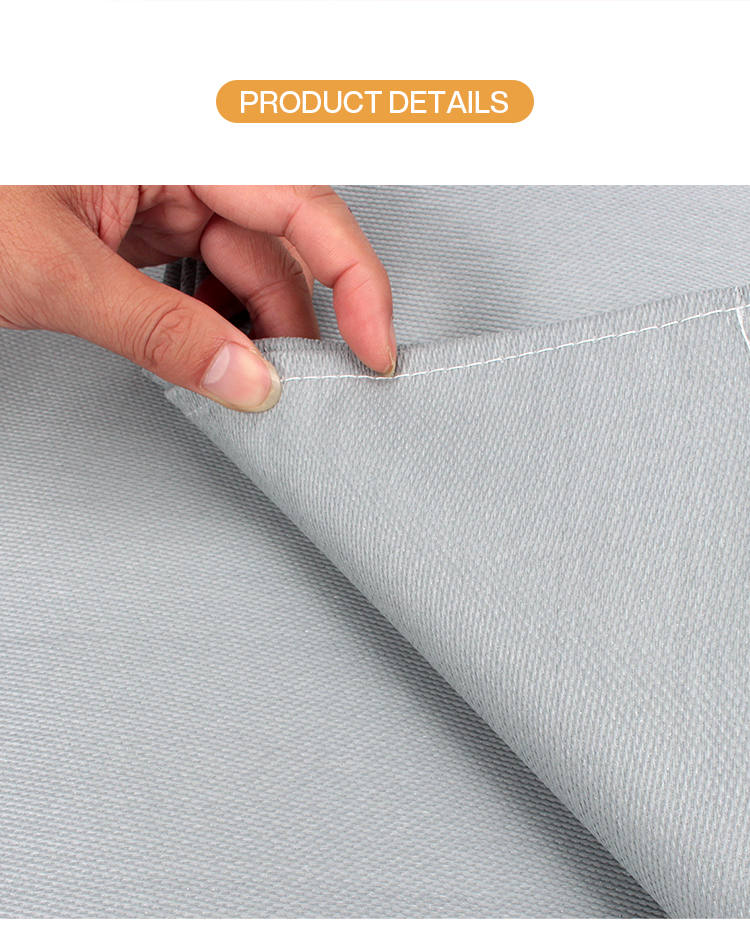
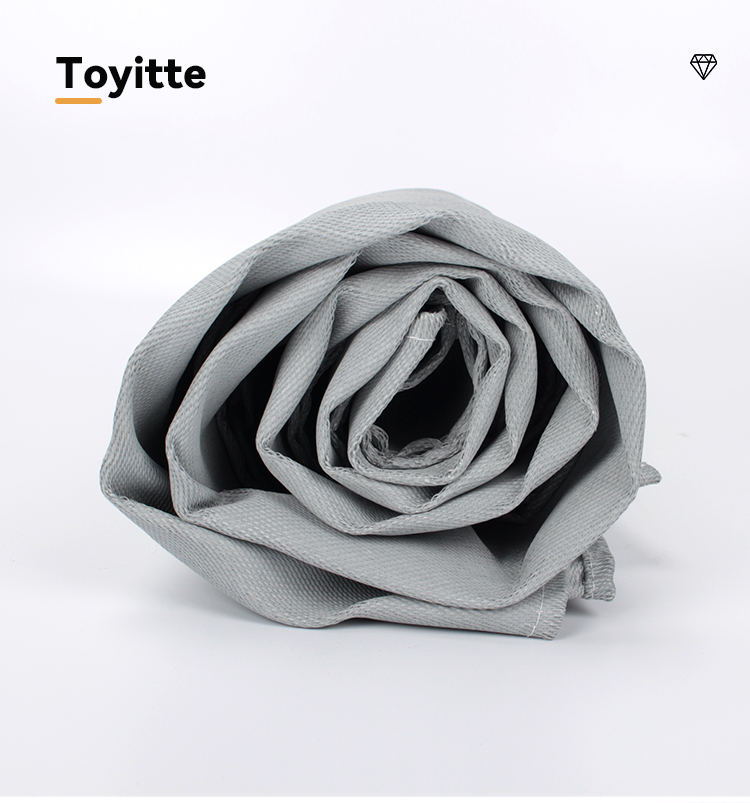
A glass fiber welding blanket is a protective cover made from woven glass fibers. These fibers are renowned for their exceptional heat resistance and durability. The blanket is designed to shield workers, equipment, and surrounding areas from the extreme temperatures and potential sparks produced during welding and other high-heat processes.
Key Properties
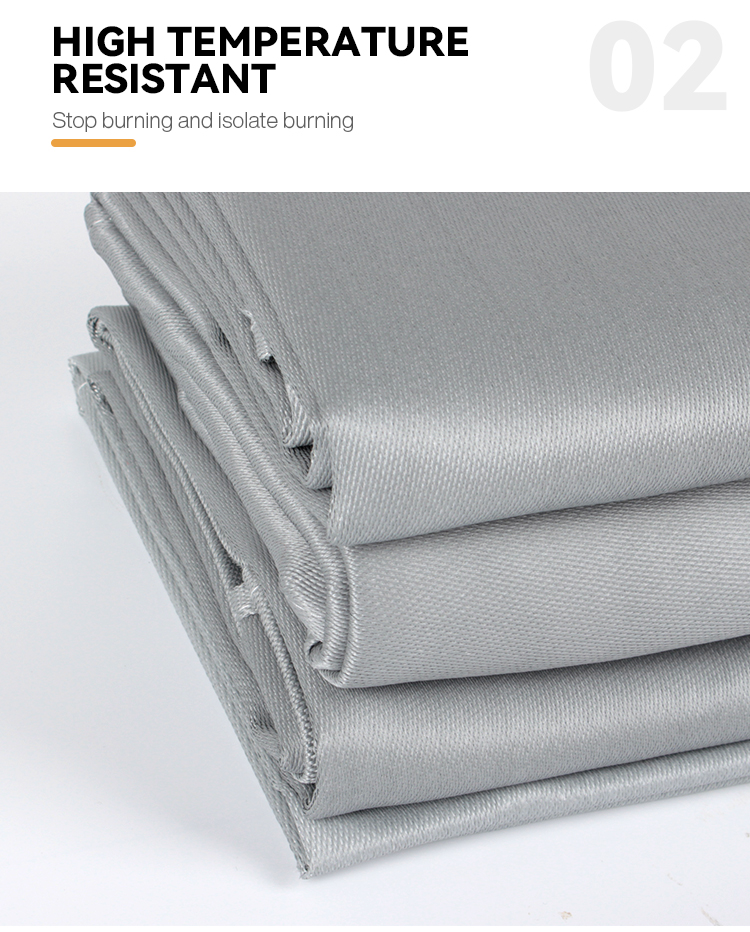
- High Heat Resistance: Glass fiber welding blankets can withstand temperatures exceeding 1,000°C (1,832°F) without degrading. This makes them ideal for protecting surfaces and personnel from the intense heat generated during welding.
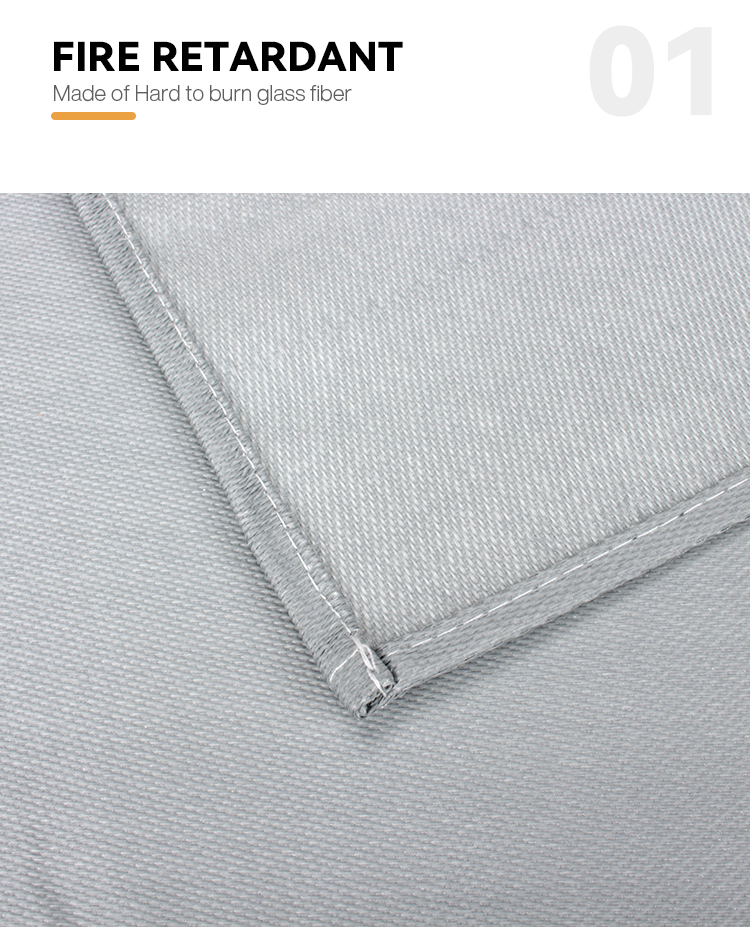
- Flame Retardant: The glass fibers used in these blankets are inherently flame retardant. This means that they resist ignition and do not contribute to the spread of fire, enhancing overall safety in the workspace.
- Durability: These blankets are highly resistant to wear and tear. The rugged nature of glass fibers ensures that the blankets maintain their integrity even after prolonged use.
- Chemical Resistance: Glass fiber welding blankets are also resistant to a range of chemicals, making them suitable for use in environments where chemical exposure is a concern.
- Lightweight and Flexible: Despite their robust nature, glass fiber blankets are lightweight and flexible, allowing them to be easily draped over equipment or used to cover surfaces without adding unnecessary bulk.
Applications
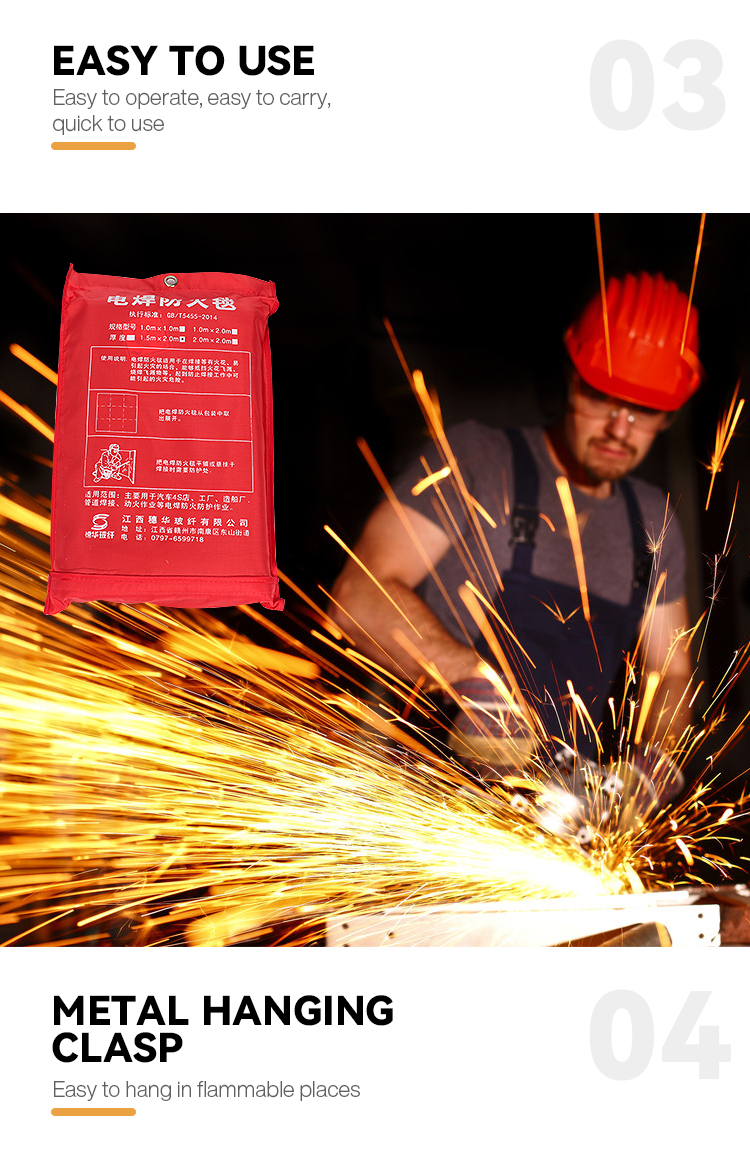
- Welding Operations: The primary use of glass fiber welding blankets is to protect surfaces and personnel during welding. They can be used to cover floors, equipment, and nearby objects to prevent damage from sparks and molten metal.
- Industrial Furnaces: In environments where high temperatures are the norm, such as industrial furnaces or kilns, glass fiber blankets help insulate and protect equipment and surrounding areas from excessive heat.
- Automotive Repair: In automotive repair and maintenance, these blankets are used to shield parts and surfaces from heat and sparks, ensuring that repairs can be conducted safely and efficiently.
- Fire Safety: Glass fiber welding blankets are also employed in fire safety applications to protect equipment and structures from fire damage or to cover materials that are susceptible to heat.
Care and Maintenance
To ensure the longevity and effectiveness of glass fiber welding blankets, proper care and maintenance are essential. Here are some tips:
- Regular Inspection: Frequently check the blanket for signs of wear, damage, or contamination. Any damaged areas should be repaired or replaced promptly.
- Cleaning: While glass fiber blankets are resistant to most chemicals, it’s important to clean them according to the manufacturer’s guidelines to remove any contaminants that could compromise their effectiveness.
- Proper Storage: Store the blankets in a dry, cool place to prevent any degradation of the glass fibers. Avoid exposing them to harsh chemicals or excessive moisture.
Glass fiber welding blankets are a critical component in maintaining safety and efficiency in environments with high heat and intense welding operations. Their exceptional heat resistance, durability, and versatility make them an invaluable tool for protecting both people and equipment. By understanding their properties and proper care, industries can ensure that they maximize the benefits of these essential safety products.

Follow us on LinkedIn.