Preventing Car Fires in Dry Conditions: What You Need to Know
Views: 548
Author: wp-dev
Publish Time: 2025-04-02
Origin:
Preventing Car Fires in Dry Conditions: What You Need to Know
Hot, dry weather isn’t just uncomfortable for humans—it can also increase fire risks for both gas-powered cars and electric vehicles (EVs). Here’s why this happens and what you can do to protect yourself.
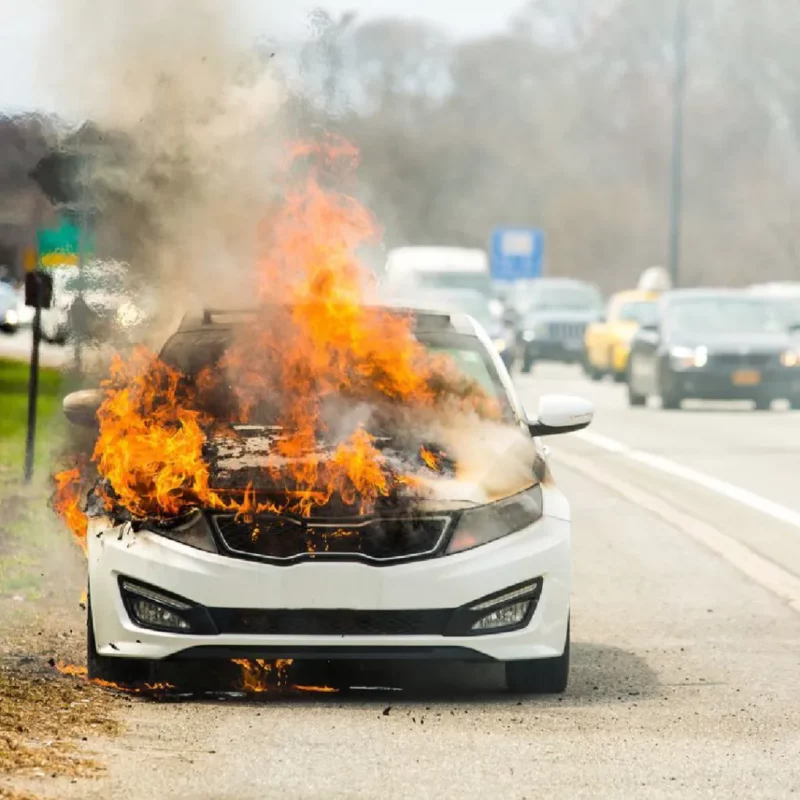
Why Dry Weather Raises Fire Risks
- For Gas Cars:
- Overheating engines: High temperatures strain engines and cooling systems. Leaking oil or fuel can ignite if it touches hot engine parts.
- Dry debris: Dead leaves, grass, or trash under the car can catch fire from hot exhaust pipes.
- Electrical issues: Dry air increases static electricity, which might spark a fire in damaged wiring.
- For Electric Cars:
- Battery stress: Extreme heat can weaken lithium-ion batteries, raising the risk of overheating or short circuits.
- Charging risks: Fast-charging in hot weather may push battery temperatures to dangerous levels.
Dry air also helps fires spread faster, making small flames harder to control.
How to Prevent Fires
For All Vehicles:
- Park smart: Avoid parking over dry grass, leaves, or piles of trash.
- Regular checks: Fix oil leaks, frayed wires, or cracked hoses immediately.
- Carry safety gear: Keep a fire extinguisher (ABC type) and an EV fire blanket (for EVs) in your car.
Gas Cars:
- Don’t overload the engine in extreme heat.
- Clean under the hood—remove leaves or oil buildup.
Electric Cars:
- Avoid charging in direct sunlight during peak heat.
- Use timers to charge during cooler hours (e.g., early morning).
What to Do If a Fire Starts
- Act fast but stay calm: Pull over, turn off the engine, and get everyone out of the car.
- Call emergency services: Even small fires can escalate quickly.
- Use your extinguisher:
- Aim at the base of flames (for gas fires).
- For EVs, smother battery fires with a fire blanket first—water alone won’t stop lithium-ion fires.
- Stay back: If flames grow or smoke turns black, evacuate to a safe distance.
Final Tips
- Check your car’s cooling system before summer trips.
- Teach passengers where the fire extinguisher/blanket is stored.
- Never open a smoking EV battery—toxic fumes are dangerous.
Dry weather demands extra caution, but with simple steps, you can reduce risks and stay safe. Remember: Prevention beats panic every time.
Follow us on LinkedIn.