© 2024 Jiangxi Suihua Fiberglass Co., Ltd. All rights reserved.Sitemap Privacy Policy

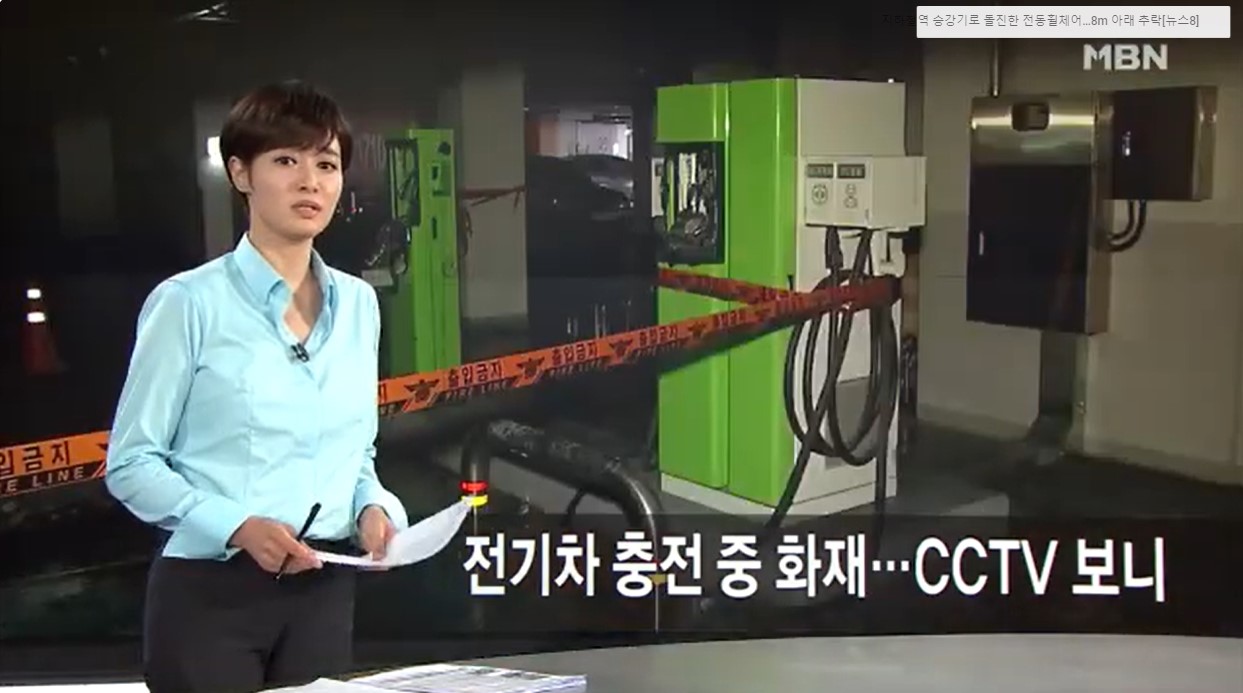
At around 6:00 a.m. local time on August 1, a fire broke out in the underground parking lot of an apartment in Incheon, South Korea, due to the spontaneous combustion of an electric car.
The fire department dispatched nearly 200 firefighters and 80 fire trucks to the scene to extinguish the fire, and the fire was under control at around 12:00.
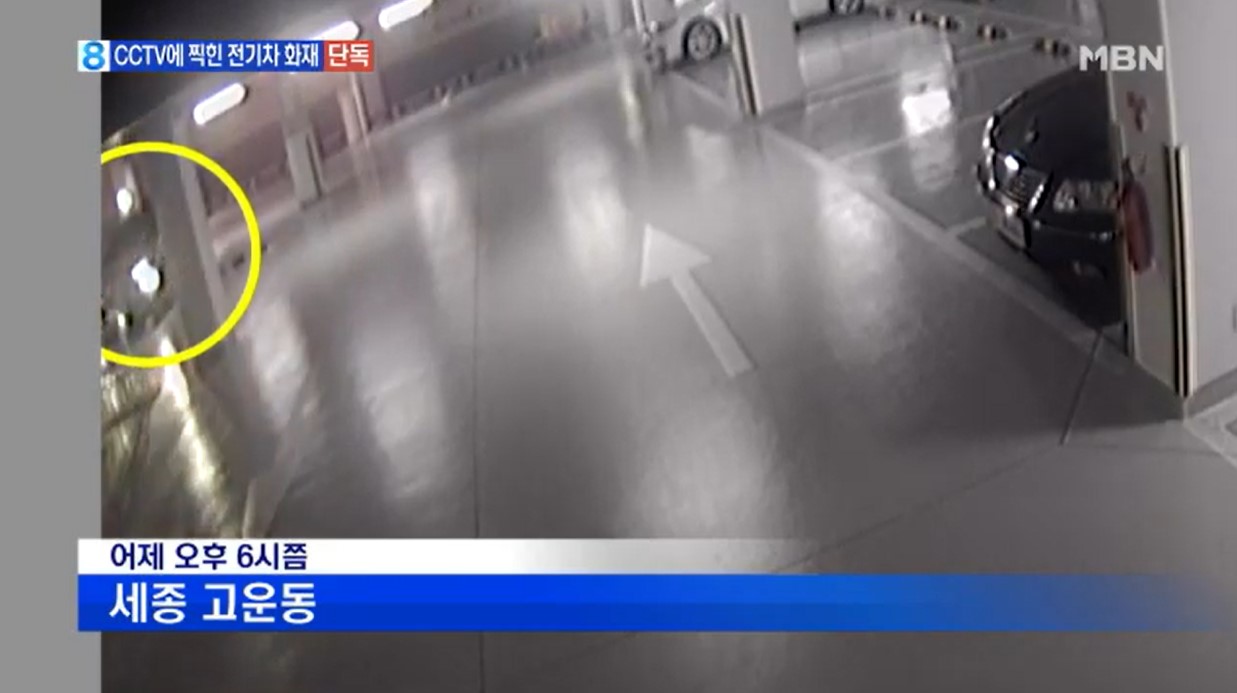
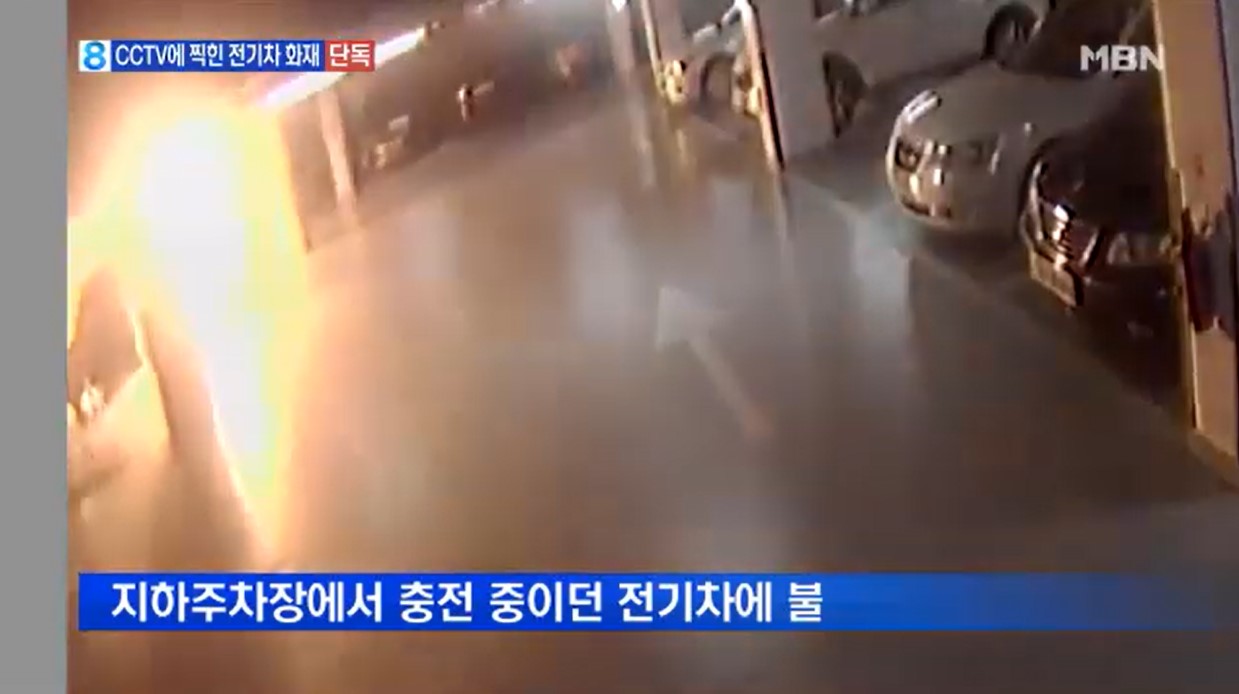
According to on-site monitoring, a white Mercedes-Benz electric car in the underground parking lot of the apartment suddenly emitted thick smoke, then exploded, and caused a fire. After the fire, more than 100 residents in the apartment were evacuated, and 16 of them were sent to a nearby hospital for treatment due to inhalation of thick smoke. Fortunately, their lives were not in danger.
According to the fire department, the fire caused more than 70 cars in the parking lot to suffer varying degrees of damage. The South Korean police and fire department said that they would investigate the cause of the fire and the losses caused based on the monitoring in the apartment.

Car fires are a serious safety hazard that can result in significant damage, injuries, and even fatalities. Preventing car fires involves a combination of proper vehicle maintenance, safe driving practices, and awareness of potential fire risks. I think this needs to be brought to the attention of all car users.
Here are several essential measures to prevent car fires:
Routine maintenance is crucial in preventing car fires. Key aspects of maintenance include:
Checking for Leaks: Regularly inspect the vehicle for oil, fuel, and coolant leaks. Leaking fluids can ignite on hot engine surfaces.
Maintaining Electrical Systems: Ensure that the battery and electrical systems are in good condition. Faulty wiring, loose connections, and worn-out cables can cause electrical fires.
Replacing Worn Parts: Replace worn-out or damaged parts, such as hoses, belts, and seals, which can lead to overheating or fluid leaks.
Monitoring Exhaust System: A malfunctioning exhaust system can cause the engine to overheat, increasing the risk of fire. Regularly check for any damage or blockages.
Proper refueling practices can significantly reduce the risk of fire:
Turn Off the Engine: Always turn off the engine before refueling to prevent accidental ignition of fuel vapors.
Avoid Static Electricity: Discharge static electricity by touching a metal part of the car away from the fuel tank before handling the fuel nozzle.
Handle Fuel Safely: Do not overfill the fuel tank, and ensure that the fuel cap is securely closed to prevent fuel leaks.
Being mindful of flammable materials in and around the vehicle is essential:
Proper Storage: Do not store flammable liquids, such as gasoline or propane, inside the vehicle. If necessary, use approved containers and secure them properly.
Avoid Overloading: Do not overload the vehicle with combustible materials. Excessive weight can cause mechanical issues that may lead to fires.
Stay vigilant for warning signs that could indicate potential fire hazards:
Burning Smell: A burning smell could indicate electrical issues or overheating components. Investigate and address the source immediately.
Smoke: If you see smoke coming from under the hood or other parts of the vehicle, pull over safely, turn off the engine, and call for assistance.
Dashboard Warning Lights: Pay attention to warning lights on the dashboard. Address issues such as overheating or low oil pressure promptly.
Adopt safe driving habits to reduce the risk of accidents that can lead to fires:
Avoid Aggressive Driving: Reckless driving increases the likelihood of collisions and overheating, both of which can cause fires.
Brake Safely: Avoid riding the brakes, as excessive braking can cause them to overheat and potentially ignite.
Having a car fire blanket in the vehicle can help manage small fires before they escalate:
Choose the Right Extinguisher: Use a fire extinguisher rated for automotive use (Class B and C) and ensure it is easily accessible.
Learn How to Use It: Familiarize yourself with the operation of the fire extinguisher to act quickly in an emergency.
Conclusion

Preventing car fires requires a proactive approach to vehicle maintenance, safe handling of flammable materials, and awareness of potential hazards. By adhering to these guidelines, you can significantly reduce the risk of car fires, ensuring a safer driving experience for yourself and others on the road. Regular maintenance, safe driving, and preparedness are the cornerstones of preventing car fires and protecting lives and property.
Follow our us on LinkedIn.