Fire Blankets in the U.S. Market: Navigating Tariff Challenges and Strategic Survival
Views: 521
Author: wp-dev
Publish Time: 2025-02-16
Origin:
Fire Blankets in the U.S. Market: Navigating Tariff Challenges and Strategic Survival
The U.S. market for fire safety products, including fire blankets, remains robust, driven by stringent safety regulations and growing public awareness. However, Chinese manufacturers face a dual challenge: escalating tariffs (up to 25% under Section 301) and rising competition from domestic and third-country suppliers. This article analyzes how Chinese fire blanket exporters can carve out a sustainable niche by focusing on value innovation, regulatory agility, and strategic market positioning.
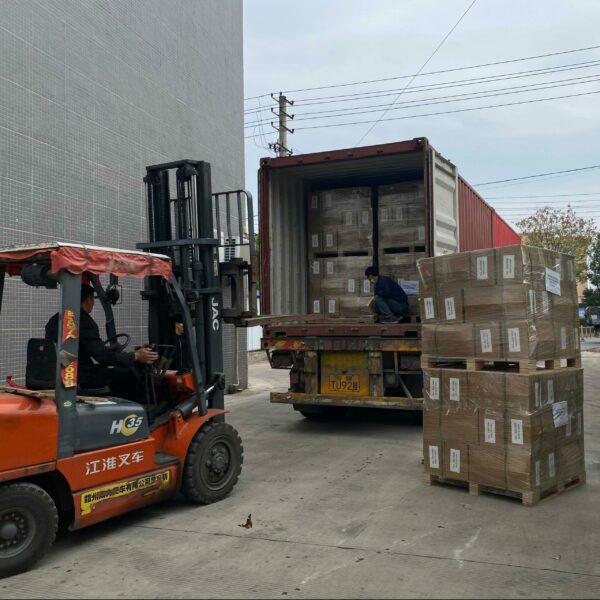
I. The Tariff Landscape and Its Ripple Effects
1. Tariff-Driven Cost Pressures
- Impact on Pricing:
Chinese fire blankets, previously priced 30–40% lower than U.S.-made alternatives, now see narrowed margins. For example, a 15blanketincursa15blanketincursa3.75 tariff, eroding cost advantages against U.S. brands like Fire Blanket USA (average price: $25).
- Supply Chain Repercussions:
Many U.S. importers are diversifying suppliers to countries like India (tariff: 7%) and Mexico (0% under USMCA), forcing Chinese exporters to rethink their models.
2. Regulatory Hurdles Beyond Tariffs
- Safety Certifications:
UL 2158 and NFPA 701 standards are non-negotiable for U.S. market entry. Non-compliant products face recalls or bans, amplifying risks for cost-focused Chinese suppliers.
- State-Level Variations:
California’s Proposition 65 and New York’s fire code updates require tailored compliance strategies, adding complexity for foreign sellers.
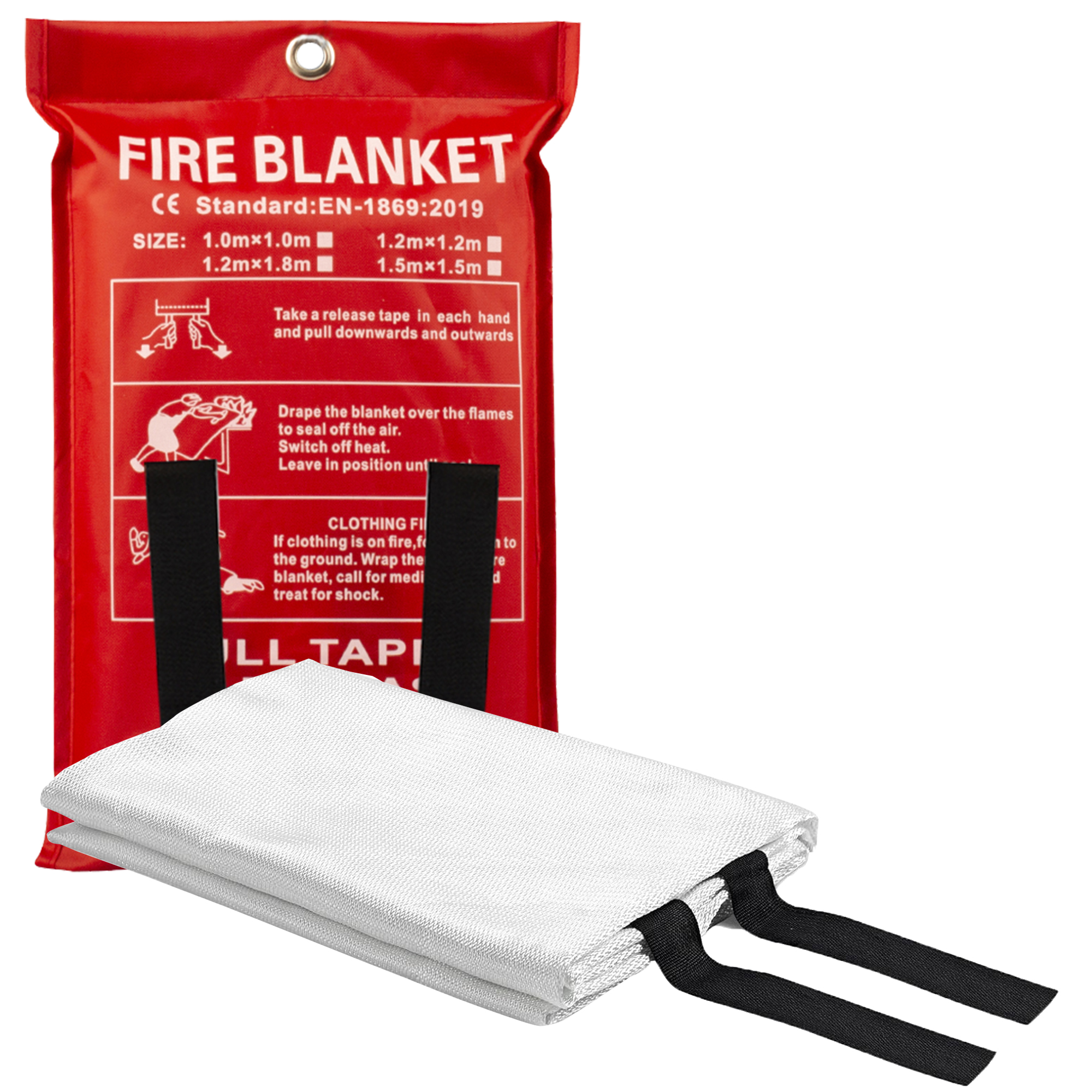
II. Strategic Pathways for Market Resilience
1. Hyper-Specialization in Niche Markets
- Target Underserved Segments:
- Educational Institutions: Partner with school safety programs to supply UL-certified blankets with kid-friendly designs (e.g., bright colors, lightweight materials).
- Outdoor Enthusiasts: Market compact, heat-resistant blankets for camping (e.g., via REI or Amazon’s “Outdoor Recreation” category).
- Case Example:
A Ningbo-based company increased margins by 22% by selling $50 “adventure-ready” fire blankets to outdoor retailers, bypassing price wars in generic markets.
2. Green Manufacturing as a Premium Differentiator
- Eco-Certifications:
Develop blankets using recycled fiberglass or biodegradable coatings, certified by GREENGUARD or Cradle to Cradle.
- Carbon-Neutral Logistics:
Offset tariffs by promoting low-carbon shipping (e.g., sea freight with carbon credits) to appeal to ESG-conscious corporate buyers.
3. Hybrid Supply Chain Models
- “China+X” Production:
Manufacture core materials in China (retaining cost efficiency) but assemble final products in Mexico or ASEAN nations to reduce tariff exposure.
- Bonded Warehouses:
Stock inventory in U.S. Customs-bonded facilities to delay tariff payments until sales occur, improving cash flow.
4. Digital Engagement and Direct Sales
- Amazon Brand Registry:
Control pricing and branding while leveraging FBA (Fulfillment by Amazon) to bypass importer markups.
- Social Proof Marketing:
Collaborate with U.S. fire safety influencers on TikTok/Instagram to demonstrate product efficacy (e.g., viral “fire challenge” videos).
III. Policy Tactics and Risk Mitigation
- Tariff Exclusion Advocacy:
- Lobby through organizations like the U.S. Consumer Product Safety Commission (CPSC) to frame fire blankets as “essential safety goods” deserving tariff relief.
- Duty Drawback Programs:
- Reclaim 99% of tariffs paid on re-exported goods (e.g., blankets shipped to Canada after U.S. warehousing).
- Diversified Export Hubs:
- Use Hong Kong or Singapore as intermediary trade hubs to minimize geopolitical risks.
IV. Future-Proofing the Business
- AI-Driven Demand Forecasting:
Tools like C3 AI or Blue Yonder can optimize inventory levels amid volatile demand post-tariff.
- Subscription Models:
Offer blanket replacement services for hotels/restaurants, ensuring recurring revenue.
- IoT Integration:
Develop “smart blankets” with embedded sensors that alert users via app when fire risks are detected.
Conclusion
For Chinese fire blanket exporters, survival in the U.S. market hinges on transcending cost leadership. By embracing niche specialization, green innovation, and hybrid supply chains, companies can turn tariff challenges into opportunities to build brand equity and customer loyalty. Success will belong to those who prioritize value over volume and agility over rigidity in this evolving trade ecosystem.
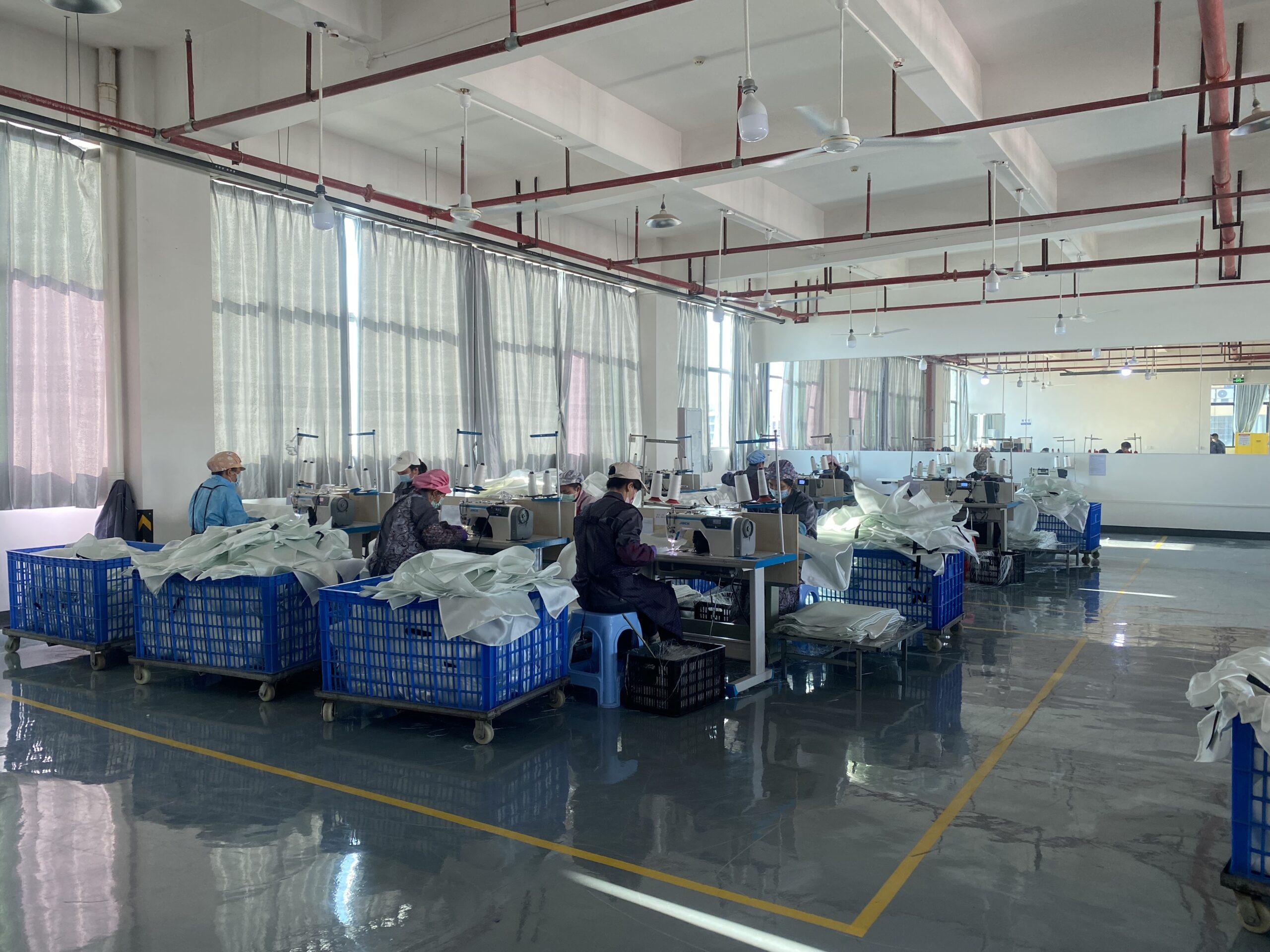
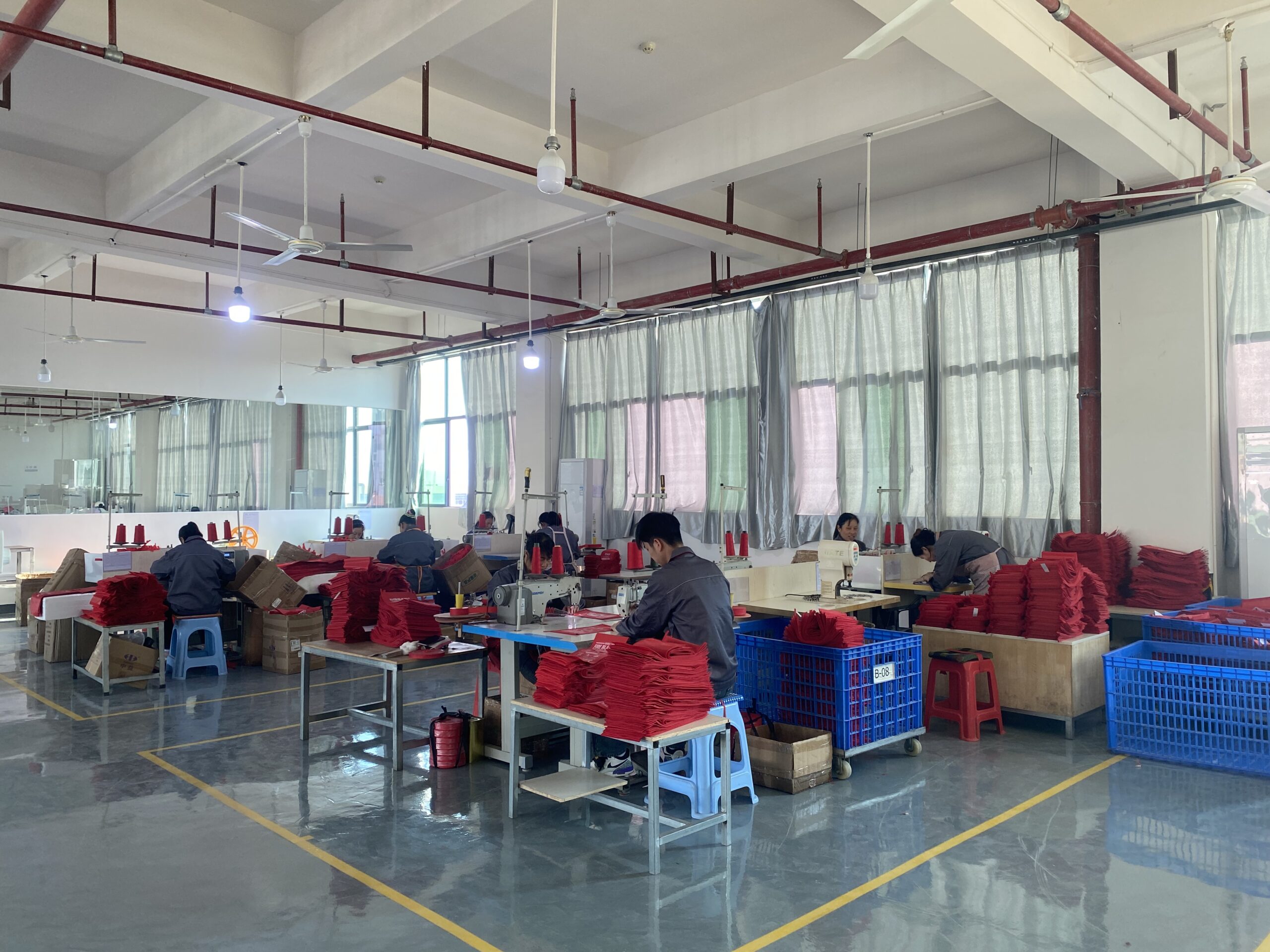
As one of the top manufacturers of fire blankets in China, SUIHUA remains committed to providing customers with high-quality products that have undergone weight inspection and are competitively priced, while also protecting their interests and profits throughout the trade process.
Follow us on LinkedIn.