© 2024 Jiangxi Suihua Fiberglass Co., Ltd. All rights reserved.Sitemap Privacy Policy

Wildfires have become a recurring and devastating challenge for California, with widespread implications for the state’s residents, environment, and economy. Among the ripple effects of these wildfires is the growing demand for fire safety products, particularly fire blankets. This article explores the influence of California wildfires on the U.S. fire blanket market and how the industry is adapting to meet changing needs.
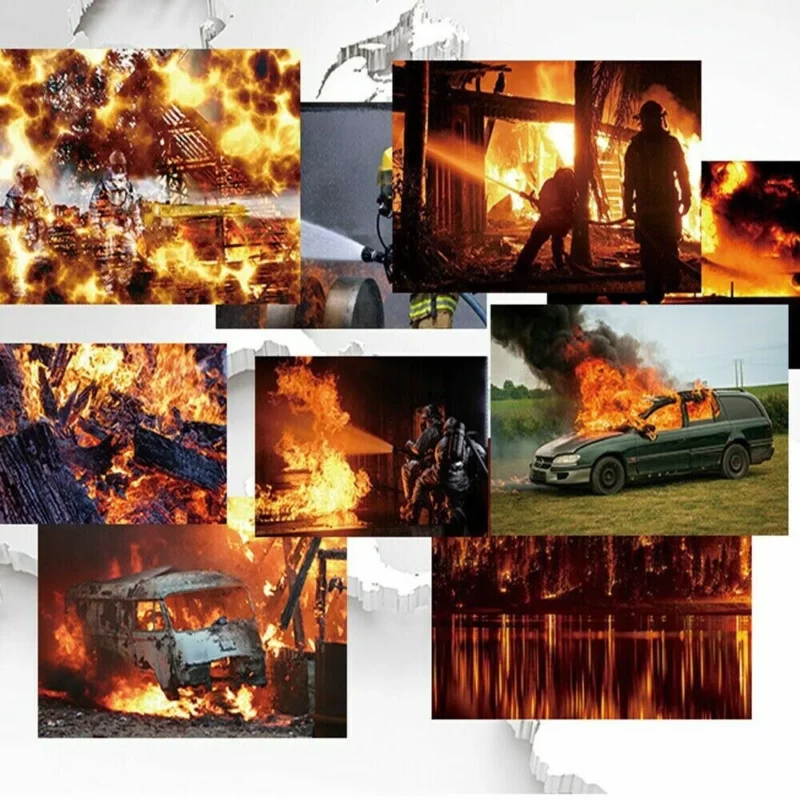
The frequent wildfires in California have heightened public awareness of fire safety measures. As individuals and businesses strive to protect their assets and ensure personal safety, fire blankets have emerged as a critical tool. They are increasingly being purchased as part of emergency preparedness kits due to their affordability, ease of use, and effectiveness in containing small fires or providing temporary protection against heat and flames. This heightened demand has led to significant growth in the fire blanket market.
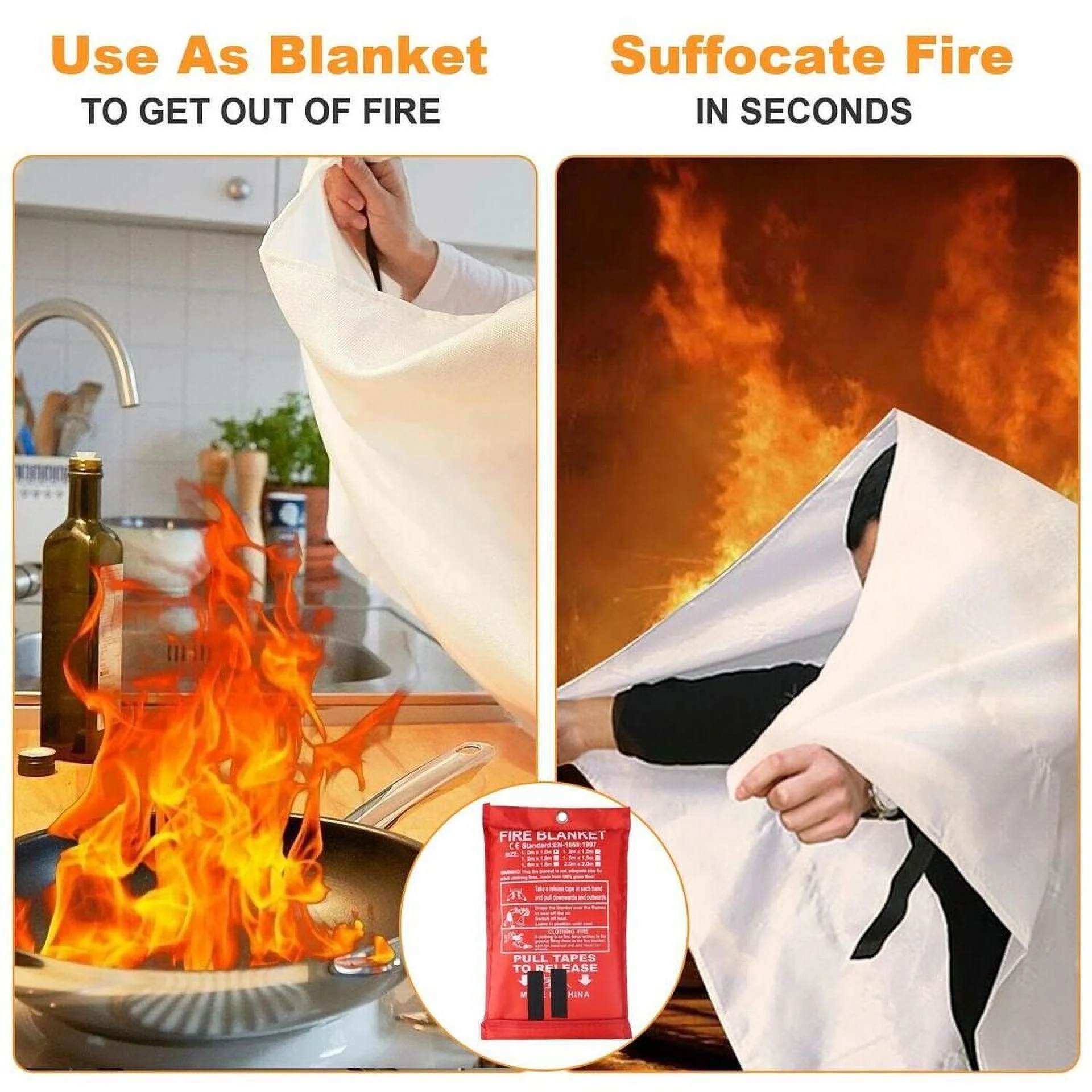
California wildfires pose unique challenges, particularly in terms of heat intensity and the scale of fire spread. In response, manufacturers are focusing on producing larger, more durable fire blankets capable of protecting vehicles, outdoor equipment, and even parts of homes from radiant heat and embers. Customization has become a key trend, with fire blankets being tailored for specific applications, such as automotive use or industrial settings.
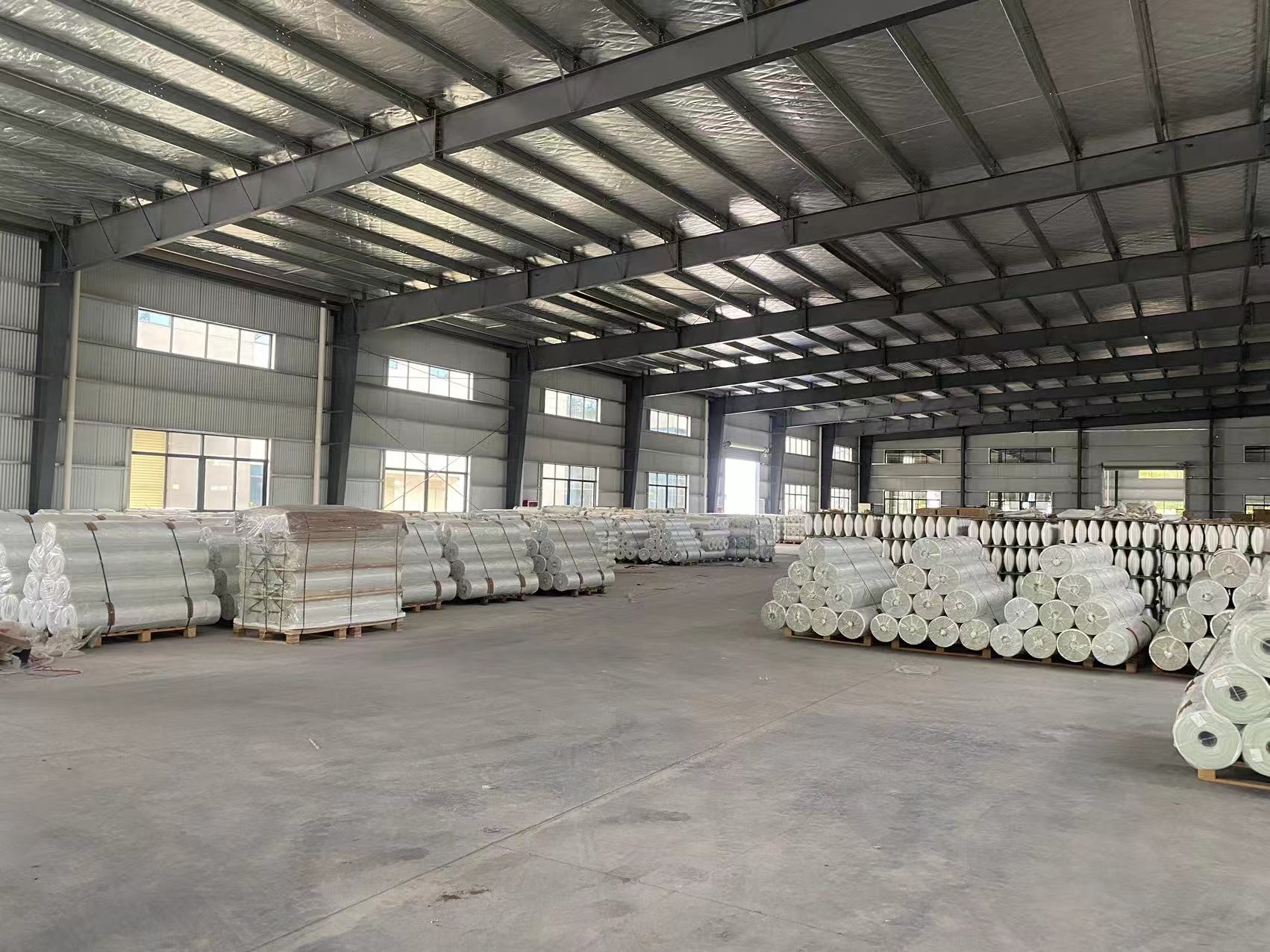
The rising demand for fire blankets has spurred innovation in the industry. Companies are developing products with advanced materials, such as high-silica and fiberglass fabrics, to enhance heat resistance and durability. Some manufacturers are also introducing multi-functional fire blankets that can serve as heat shields or protective covers during evacuations. The market growth has attracted new players and encouraged existing manufacturers to expand their production capacity and improve supply chains.
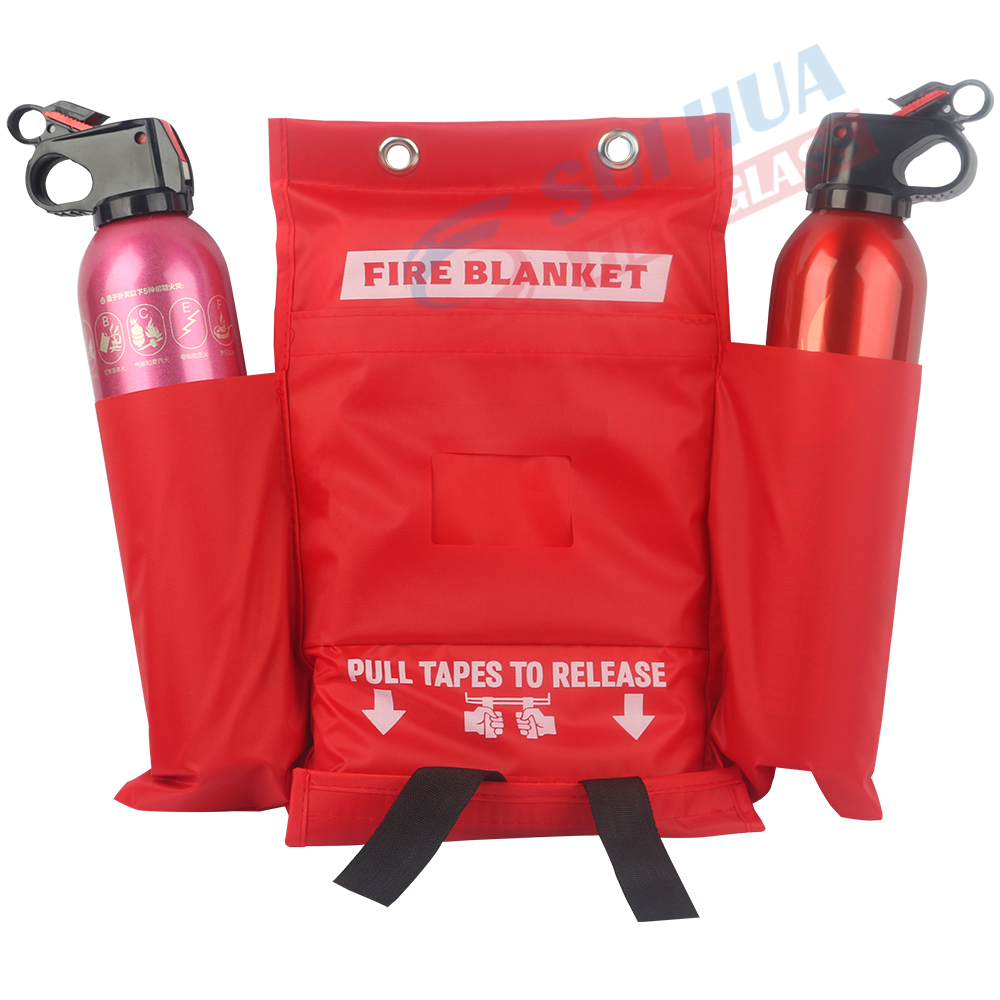
Local governments and insurance companies have also played a role in driving the adoption of fire blankets. Fire safety regulations in high-risk areas often recommend or mandate the use of protective equipment, including fire blankets. Additionally, some insurance providers offer incentives or reduced premiums for properties equipped with fire safety tools, further encouraging their purchase.
Despite the growing demand, the fire blanket market faces challenges in meeting the sudden surge in orders, particularly during peak wildfire seasons. Supply chain disruptions, rising raw material costs, and logistical challenges have occasionally resulted in delays and higher prices. Manufacturers are working to address these issues by increasing inventory and streamlining production processes.
As wildfires continue to pose a threat, the fire blanket market is expected to grow further, with ongoing innovation and expansion to meet diverse consumer needs. Education campaigns and government initiatives will likely play a vital role in promoting the use of fire blankets, ensuring that more individuals and businesses are prepared for wildfire emergencies.
In conclusion, California’s wildfires have not only reshaped the state’s landscape but also brought significant changes to the U.S. fire blanket market. The increased demand, coupled with advancements in technology and materials, highlights the critical role of fire blankets in modern fire safety strategies.
Follow us on LinkedIn.